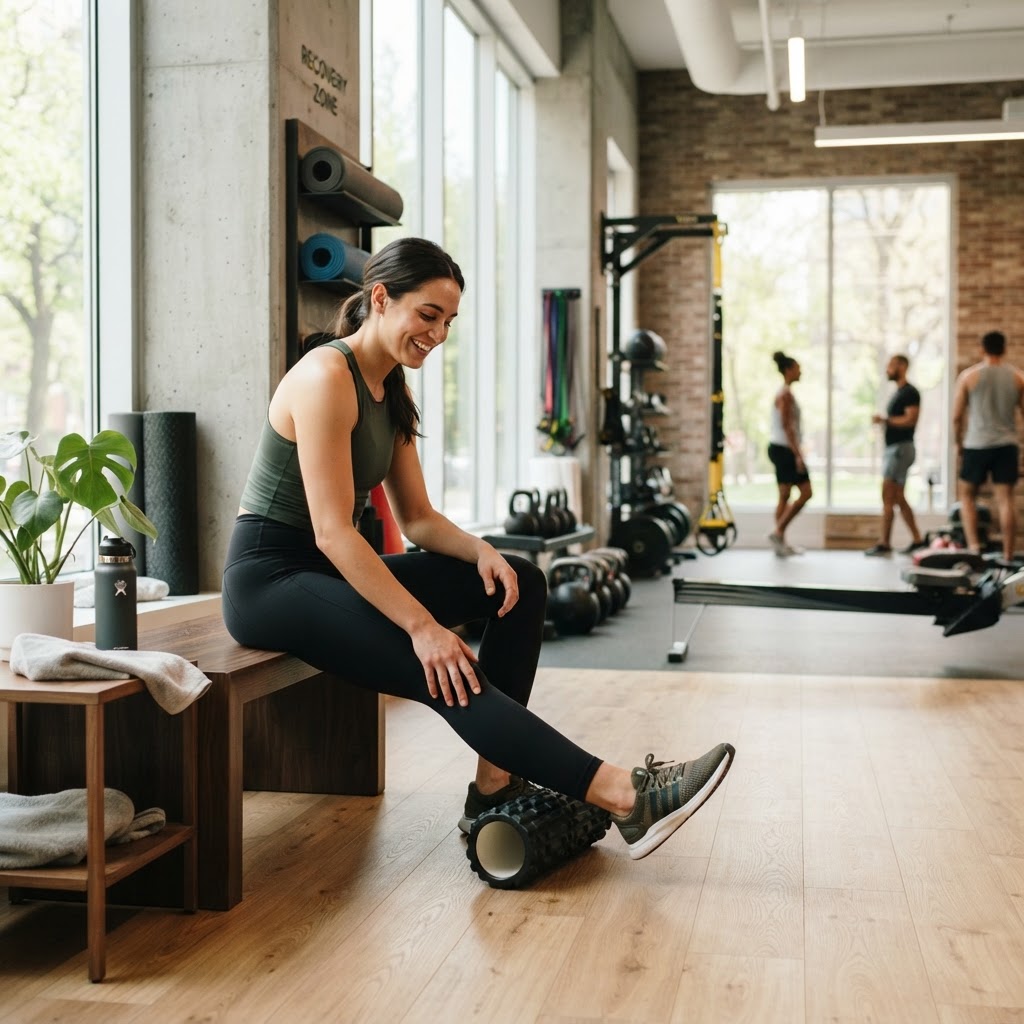
The 24-Hour Recovery Pivot: Why Your Post-Workout Strategy Should Change After Day One
At Clarence Park Health Suite, we often see members eager to jump into the latest recovery trends. Whether it is a quick ice bath or a session with a massage gun, the goal is always the same: feel better, faster. However, recent research published in 2026 suggests that our recovery needs are not static—they are highly time-dependent. If you are treating your recovery the same way 48 hours after a workout as you do immediately after, you might be missing the mark.
The Acute Phase (0–24 Hours): Prioritizing Performance
According to a 2026 systematic review and network meta-analysis, the first 24 hours post-exercise are critical for restoring explosive performance and managing immediate soreness. During this window, your body is in a state of acute stress.
- Active Recovery: For those looking to bounce back for their next session, light movement—such as a gentle walk or very low-intensity cycling—has been shown to be highly effective for short-term restoration of explosive power.
- Massage: If your primary goal is immediate relief from that 'tight' feeling, massage remains a gold-standard tool for early soreness reduction.
- Cold-Water Immersion (CWI): If you are feeling particularly battered, CWI (10–15°C for 10–15 minutes) is a versatile option that helps manage both soreness and biochemical markers of muscle damage during this initial day.
The Delayed Phase (24–72 Hours): Letting Nature Take the Lead
Here is where many gym-goers go wrong. By the 48-hour mark, the physiological benefits of many 'active' recovery modalities begin to drop off significantly. The 2026 research indicates that after 48 hours, the additional benefits of most external recovery tools are markedly reduced.
In short: your body’s natural recovery processes are likely doing the heavy lifting by this point. If you are still aggressively foam rolling or icing two days later, you might be over-complicating a process that simply requires time and patience.
Practical Steps for Your Routine
Whether you are working with one of our personal trainers or utilizing the gym for your own sessions, consider this 'pivot' approach:
- Day 0–1 (The Active Window): Focus on targeted interventions. If you have a heavy leg day, prioritize protein intake (20–40g) to kickstart muscle protein synthesis and consider a light active recovery session or a massage to manage immediate discomfort.
- Day 2+ (The Passive Window): Shift your focus to the 'basics' that actually move the needle. Prioritize 7–9 hours of quality sleep and ensure your nutrition remains consistent. Research consistently shows that sleep and fuel are the true pillars of long-term adaptation.
Why Simplicity Wins
At our gym, we believe in training smart. Recovery isn't something you can 'bottle and sell' through expensive gadgets. By understanding that your recovery needs change as you move further away from your last workout, you can stop wasting time on techniques that have lost their effectiveness and start focusing on the habits that build real, lasting fitness.
If you are unsure how to structure your training and recovery around your personal goals, our team is always here to help you refine your approach. Remember, sometimes the best recovery strategy is simply giving your body the time it needs to do what it does best: adapt and grow.