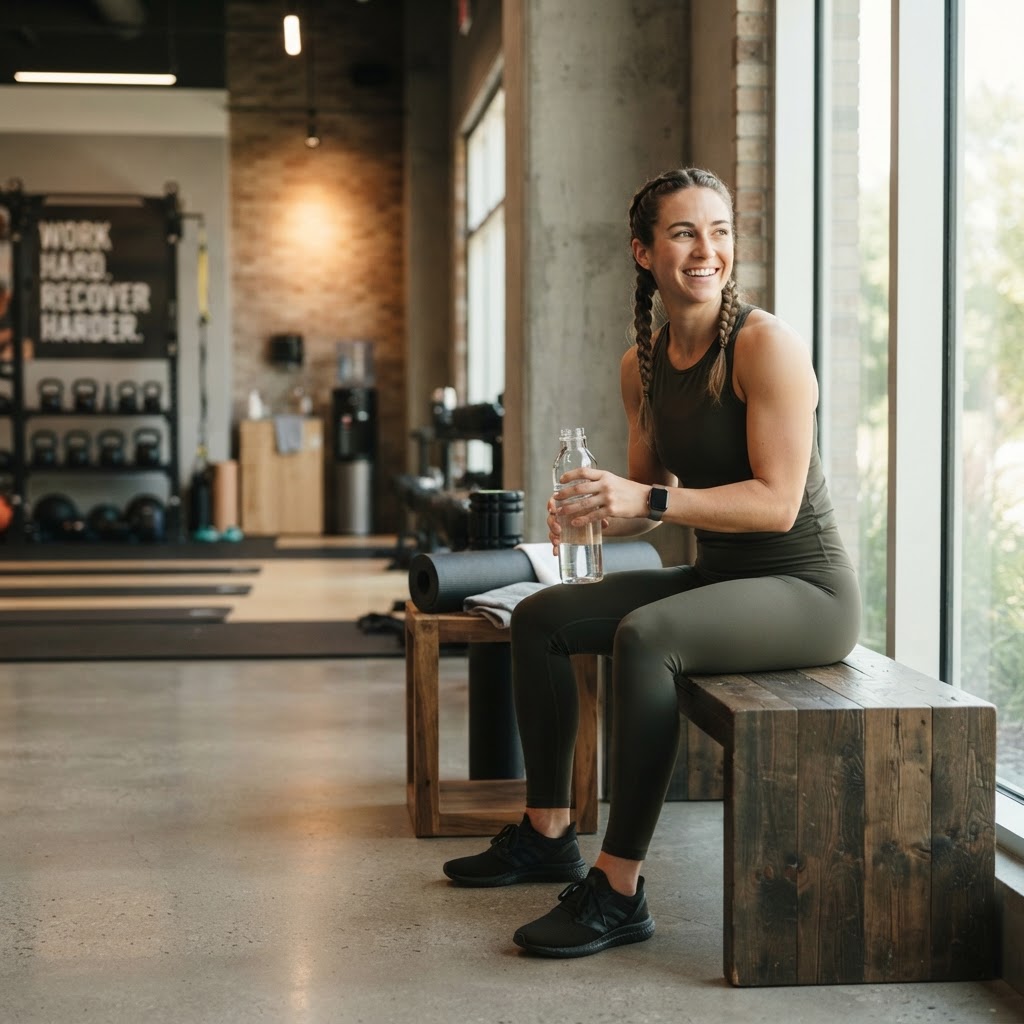
The Myth of the 'More is Better' Recovery
At Clarence Park Health Suite, we often see members pushing themselves to the limit, only to feel the inevitable 'day-after' stiffness that makes even walking down the stairs a challenge. In the search for relief, many gym-goers assume that if a little movement is good, an hour of intense stretching or extra cardio must be better. However, recent scientific findings suggest that when it comes to active recovery, you might be doing too much.
Finding the 'Sweet Spot'
A systematic review of 26 studies has highlighted a specific 'sweet spot' for active recovery: 6 to 10 minutes. Research indicates that keeping your post-workout movement within this timeframe is highly effective for enhancing recovery without adding unnecessary stress to your body.
Whether you are here for 1-to-1 personal training or enjoying some individual gym time, you don't need to spend half your session cooling down. By dedicating just 6 to 10 minutes to light, low-impact movement immediately following your main workout, you can help facilitate blood flow and reduce the perception of soreness without the need for elaborate or time-consuming protocols.
Why Intensity Doesn't Matter
One of the most liberating findings from recent research is that the intensity of your active recovery doesn't seem to matter as much as the duration. If you keep your movement within that 6-to-10-minute window, the benefits remain consistent whether you are walking at a gentle pace on the treadmill or performing light, rhythmic movements on the gym floor.
The goal here is simple: keep the heart rate in the light-to-moderate range. You aren't trying to burn extra calories or 'finish' your workout; you are simply signaling to your body that it is time to transition from a state of high-intensity stress to a state of repair.
Practical Ways to Recover at Clarence Park
If you are looking to implement this strategy during your next visit, consider these simple, low-impact options that fit perfectly into our friendly gym environment:
- The Gentle Treadmill Walk: After your final set, set the treadmill to a slow, comfortable pace for 8 minutes. Focus on deep, rhythmic breathing to help your nervous system settle.
- Controlled Mobility: Use a small corner of the gym to perform slow, controlled movements. Think of gentle arm circles, torso twists, or light lunges. The key is to keep moving continuously for that 6-to-10-minute block.
- Low-Intensity Cycling: A light spin on the stationary bike with zero resistance is an excellent way to keep the legs moving and promote circulation without adding fatigue.
A Note on Expectations
It is important to remember that while active recovery is a fantastic tool for feeling better and reducing stiffness, it is not a magic bullet. Science shows that the benefits are often subtle. Think of active recovery as the 'finishing touch' to your training, rather than a complete replacement for rest.
If you are working with one of our personal trainers, feel free to ask them to help you structure a 6-minute cool-down that complements your specific training plan. By keeping your recovery strategy focused and time-efficient, you ensure that you are ready to return to the gym feeling refreshed and prepared for your next session.