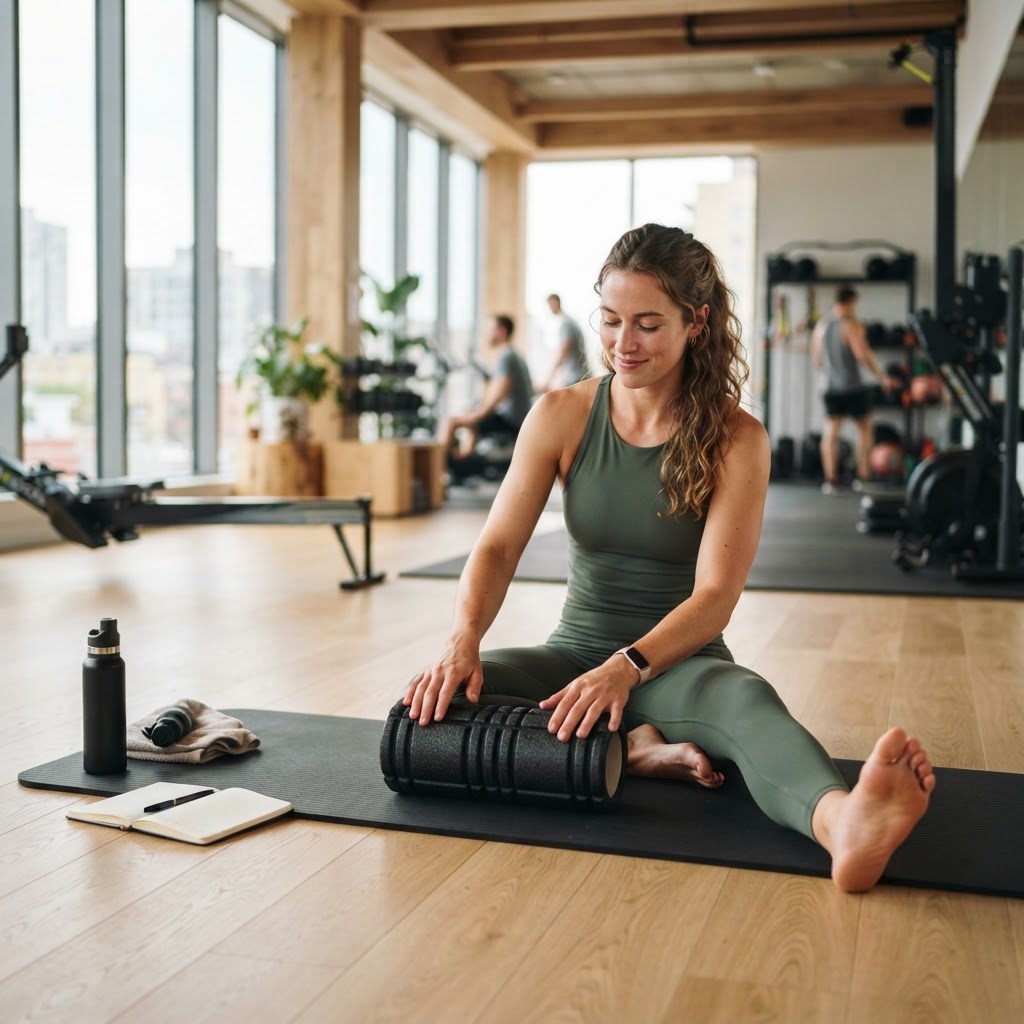
The Myth of Total Stillness
At Clarence Park Health Suite, we often see members finish a challenging set of squats or a high-intensity session and immediately collapse onto a bench, remaining perfectly still until they feel ready to leave. While it is tempting to think that doing absolutely nothing is the best way to 'save' your energy, scientific research suggests that your body actually prefers a different approach. If you want to bounce back faster for your next session, it is time to embrace the 'Autonomic Shift' through active recovery.
What is Active Recovery?
Active recovery is not about doing another workout. It is about performing low-intensity movement—such as a slow walk, gentle mobility work, or light cycling—immediately following your main training session. Research published in the European Journal of Applied Physiology and other sports science journals consistently highlights that active recovery is superior to passive recovery (total rest) for optimizing post-exercise physiological responses [2, 8].
Why Your Body Prefers Movement
When you finish a heavy lifting session or a demanding cardio bout, your body is in a state of high sympathetic nervous system activity—the 'fight or flight' mode. By engaging in light, rhythmic movement, you help facilitate a smoother transition into the parasympathetic state, which is your 'rest and digest' mode. This shift is crucial for several reasons:
- Lactate Clearance: Studies have shown that active recovery is an effective method for accelerating the clearance of blood lactate following strength training [5]. While lactate itself isn't the enemy, the metabolic environment it creates can contribute to that heavy, sluggish feeling in your muscles.
- Temperature Regulation: Active recovery helps your body temperature return to baseline more efficiently than sitting still, which can prevent the feeling of post-exercise lethargy [2].
- Reduced Muscle Damage: By keeping blood flowing to the working muscles, you ensure that oxygen and nutrients are delivered to the areas that need repair most, potentially reducing the severity of delayed-onset muscle soreness (DOMS) [5].
How to Apply This at the Gym
You do not need a complex plan to implement this. At our gym, we encourage members to view the final 5 to 10 minutes of their time as a dedicated 'recovery window' rather than just the end of their workout. Here is how you can do it:
- The Post-Set Flush: If you have just finished a heavy leg day, do not sit down immediately. Spend two minutes walking slowly around the gym floor. This simple act keeps the blood circulating through the lower body.
- Low-Intensity Transition: If you are working with one of our personal trainers, ask them to incorporate a 'cool-down' phase that involves light, rhythmic movement rather than static stretching alone.
- Keep it Light: The key is intensity. If you are breathing hard, you are working too hard. You should be able to hold a full conversation while performing your active recovery. Think of it as 'movement for blood flow,' not 'movement for fitness.'
A Note on Individual Needs
While active recovery is a powerful tool, it is important to listen to your body. If you are feeling genuinely exhausted or are recovering from an injury, there is still a place for passive rest. However, for the average gym-goer looking to improve their fitness and feel better between sessions, adding a few minutes of light movement is a simple, science-backed way to upgrade your recovery protocol.
Next time you finish your session, try walking a few extra laps of the gym floor before heading to the changing rooms. Your muscles will thank you for it tomorrow.