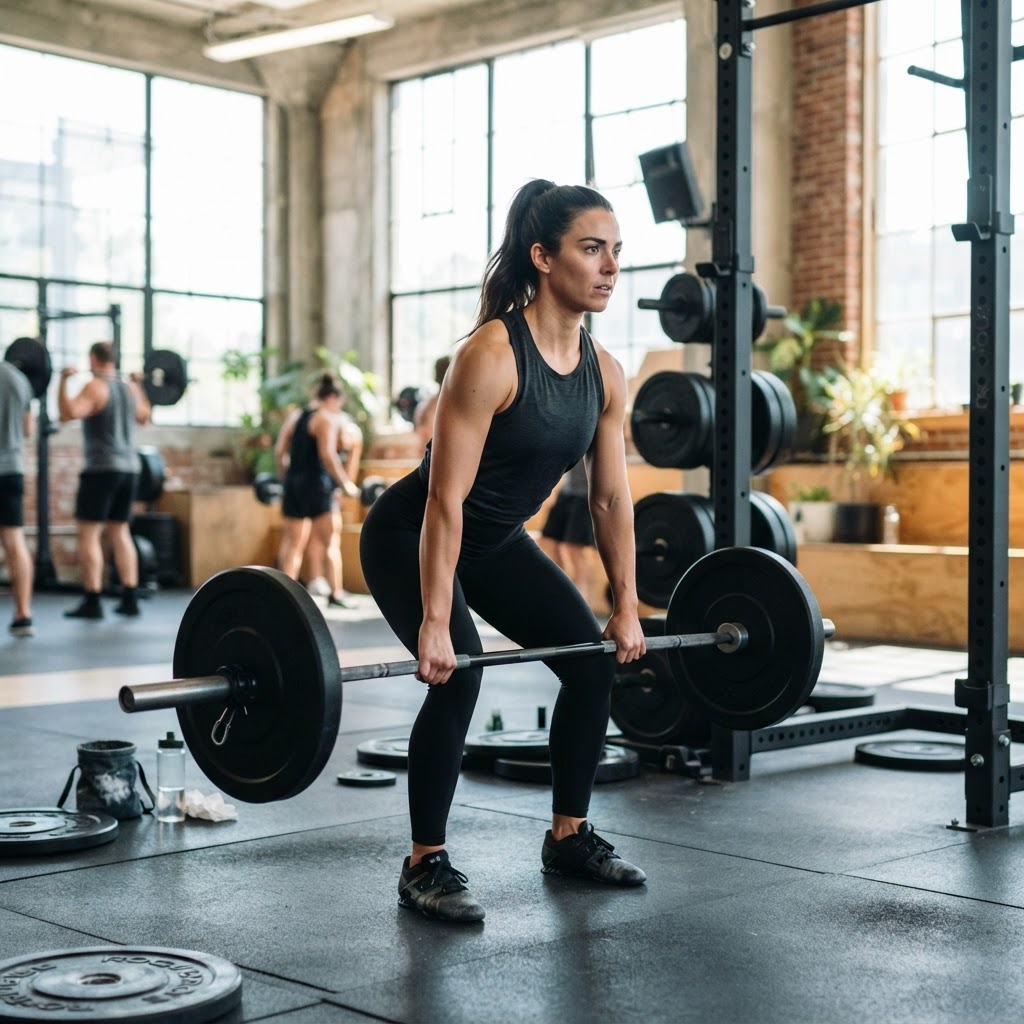
The BFR Advantage: Why Low-Load Training Could Be Your New Secret Weapon
At Clarence Park Health Suite, we often hear the same goal: "I want to build muscle and get stronger, but I'm worried about lifting heavy weights." Whether you are recovering from a minor niggle or simply prefer a more controlled approach to your training, there is a scientifically backed method that might change how you view your gym sessions: Blood Flow Restriction (BFR) training.
What is BFR Training?
BFR involves using specialized, calibrated cuffs placed around the top of your arms or legs. These cuffs are inflated to a specific pressure—usually a percentage of your arterial occlusion pressure—to partially restrict blood flow to the working muscle while you perform resistance exercises.
It sounds intense, but the magic happens because you don't need to lift heavy to see results. Research consistently shows that BFR allows you to achieve muscle hypertrophy and strength gains comparable to traditional high-load training, but while using significantly lighter weights (often 20% to 50% of your one-repetition maximum) [7, 8].
Why It Works
When you restrict blood flow, you create a unique metabolic environment within the muscle. By limiting oxygen delivery and venous clearance of metabolites, you trigger a cascade of physiological responses that signal your muscles to grow [7]. A 2025 study published in the Scandinavian Journal of Medicine & Science in Sports confirmed that BFR is a highly effective strategy for maximizing muscle hypertrophy [3].
For our members here in Malvern, this is a game-changer. It means you can achieve significant muscle growth without the high mechanical stress that heavy lifting places on your joints and connective tissues. It is an excellent way to keep progressing even when you need to dial back the intensity of your main lifts.
How to Incorporate BFR into Your Routine
If you are interested in trying BFR, here are a few practical tips to keep in mind:
- Start with Guidance: Because BFR requires precise pressure settings to be safe and effective, we highly recommend booking a 1-to-1 personal training session. Our trainers can help you determine the correct occlusion pressure and ensure your technique is spot on.
- Focus on Moderate Velocity: Recent research suggests that when performing movements like the squat, maintaining a moderate "velocity loss" threshold—meaning you don't push until you are moving the bar extremely slowly—can help optimize your strength gains [1, 3].
- Keep Your Rest Intervals Consistent: Studies have shown that rest intervals of 2 to 4 minutes are effective for BFR training [9]. While some might think shorter rest is always better, keeping a steady, moderate rest period helps you maintain the quality of your repetitions.
- Listen to Your Body: BFR will feel different. You will likely experience a significant "pump" and a higher rate of perceived exertion (RPE) than you would with the same weight without the cuffs [2, 10]. This is normal, but it is important to communicate with your trainer about how you are feeling during the set.
Is BFR Right for You?
BFR is not just for elite athletes; it is a versatile tool for anyone looking to improve their body composition or strength. Whether you are a regular gym member looking to break through a plateau or someone who needs a lower-impact way to train, BFR offers a scientifically validated path forward.
If you are curious about how to integrate this into your current gym membership, please speak to one of our team members on the gym floor. We are here to help you train smarter, not just harder.