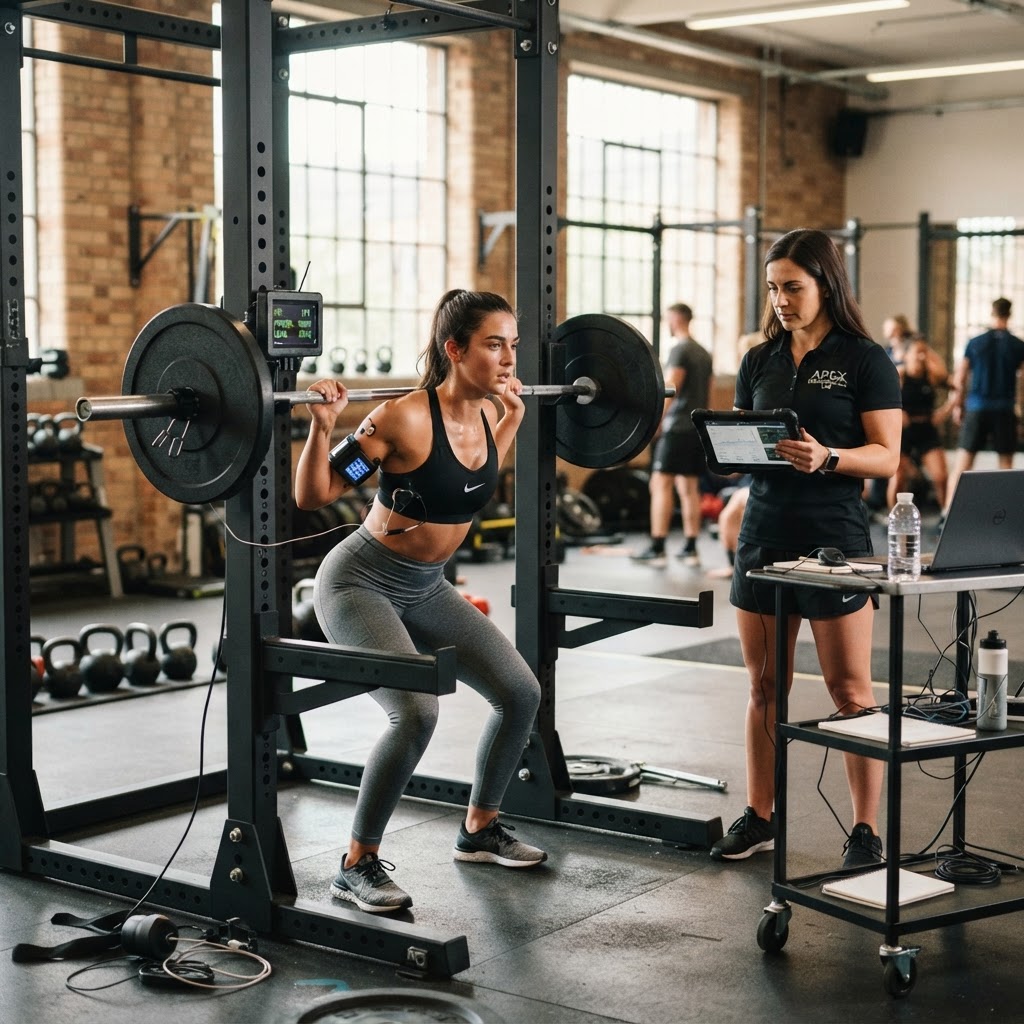
The Timing Debate
At Clarence Park Health Suite, we often hear the same question from our members: "Is it better to train first thing in the morning or after work?" It is a common dilemma, and for years, the fitness world has been divided. Some swear by the metabolic boost of a sunrise session, while others insist that their strength only peaks when the sun starts to set.
Recent research into chronobiology—the study of how biological rhythms affect our physiology—has finally started to provide some clarity. While the science is evolving, the takeaway for our members is more empowering than you might think.
What the Science Says
For a long time, studies suggested that physical performance, particularly in power and strength-based movements, tends to peak in the late afternoon or early evening (typically between 16:00 and 20:00) [4, 7, 9]. This is often attributed to natural fluctuations in body temperature and hormonal profiles [4, 8].
However, when we look at long-term results like muscle growth (hypertrophy) and strength gains, the picture becomes more nuanced. A 2025 randomized controlled trial involving healthy adults found that over a six-week period, both morning and evening training groups saw similar improvements in muscle thickness and insulin sensitivity [3]. Essentially, the body is remarkably adaptable. Whether you are here at 7:00 AM or 6:00 PM, your muscles are still receiving the mechanical stimulus they need to grow and strengthen [3, 10].
The 'Chronotype' Factor
While the "average" person might show a slight performance edge in the evening, recent studies have highlighted the importance of your personal chronotype—your natural inclination to be a "morning lark" or a "night owl" [2, 5].
Research published in late 2025 suggests that aligning your training with your natural chronotype might offer a slight advantage [2, 5]. For example, if you are naturally an evening-type person, you may find that evening sessions feel more productive and lead to better molecular signaling for growth [2, 5]. Conversely, if you wake up feeling energized, forcing yourself into a late-night session might be counterproductive if it interferes with your sleep quality [6].
Practical Takeaways for Your Routine
If you are looking to optimize your gym membership or 1-to-1 personal training sessions, here is how to apply this research to your life at Clarence Park:
- Consistency is King: The most significant factor in your progress is not the clock, but your ability to show up consistently [3, 10]. If you can only guarantee a workout at 6:00 AM, that is objectively better than a "theoretically perfect" 6:00 PM session that you skip because you are too tired from work.
- Match Your Testing to Your Training: If you are working with a personal trainer to hit a specific strength goal, try to perform your "max effort" tests at the same time of day you usually train [1]. Your body learns to perform best when the environment—including the time of day—is familiar [1].
- Listen to Your Sleep: If you find that evening training leaves you feeling wired and impacts your sleep quality, shift your sessions earlier [6]. Sleep is the ultimate recovery tool; never sacrifice it for the sake of a specific training window.
- Prioritize Preference: Since the evidence shows that hypertrophy and strength gains are largely independent of the time of day, choose the slot that fits your lifestyle [10]. Whether you prefer the quiet of a morning gym or the energy of the evening, your body will adapt to the stimulus you provide [3, 10].
Final Thoughts
At our gym, we believe that the best workout is the one that actually happens. While science continues to explore the fascinating links between our internal clocks and our physical output, the most important variable remains your commitment to the process. If you are unsure how to structure your training around your busy schedule, our personal trainers are always here to help you build a routine that works for your unique rhythm.