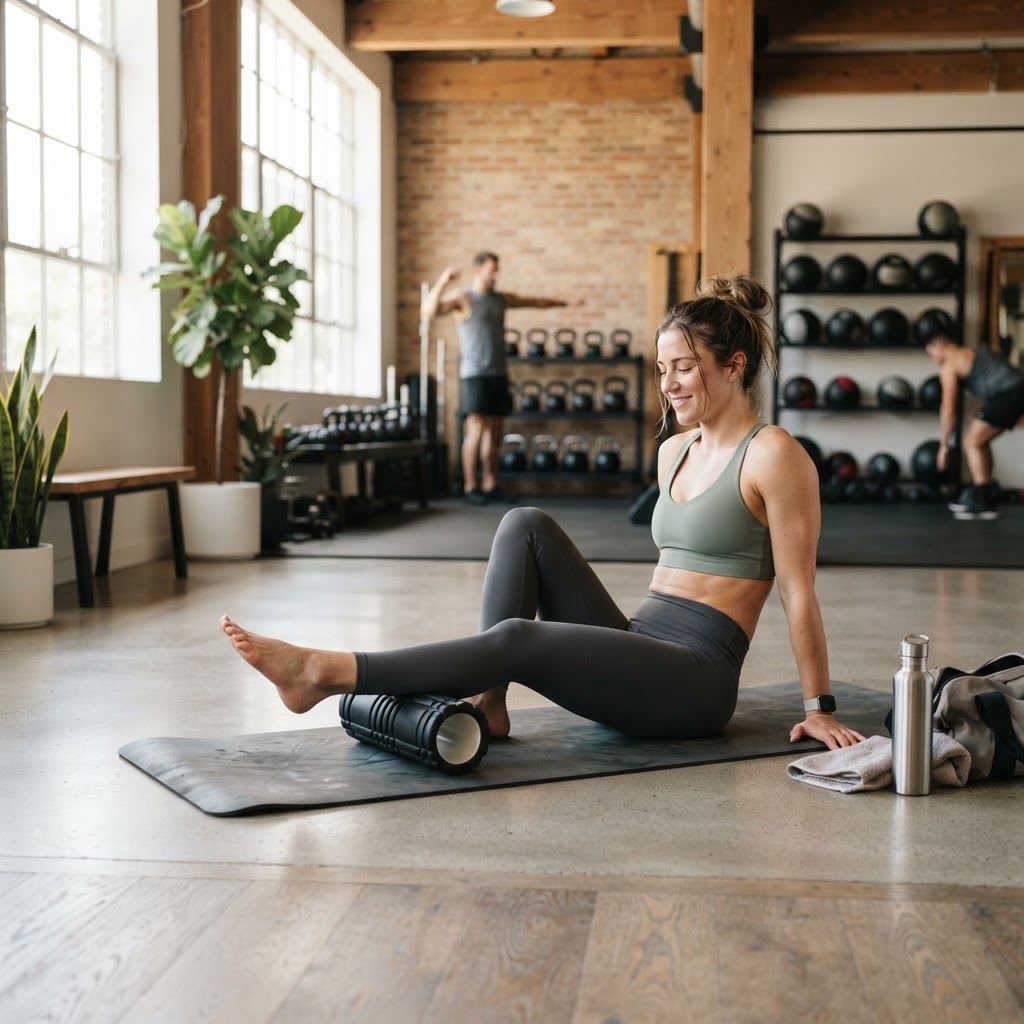
The Cold Truth: Why Your Post-Workout Ice Bath Might Be Stalling Your Gains
At Clarence Park Health Suite, we love seeing our members push their limits. Whether you are here for 1-to-1 personal training or enjoying some quiet time on the gym floor, the goal is usually the same: to get stronger, fitter, and healthier. After a tough session, it is tempting to look for the 'magic bullet' for recovery. For years, the cold-water immersion (CWI) or 'ice bath' has been the go-to recovery tool for athletes. But does it actually help the average gym-goer, or could it be doing more harm than good?
The Science of Cooling
Recent research, including a 2026 systematic review published in BMC Sports Science, Medicine and Rehabilitation, highlights that while cold water immersion can be effective for managing subjective feelings of soreness (DOMS) and reducing certain markers of muscle damage, it is not a universal solution [2, 8].
In fact, if your primary goal is building muscle or increasing strength, the news is more nuanced. A study published in The Journal of Physiology found that cold-water immersion following resistance training can actually lower the rate of myofibrillar protein synthesis—the very process your body uses to repair and grow muscle tissue [9]. Essentially, by cooling the muscles down too quickly, you may be blunting the adaptive signals that tell your body to get stronger.
Why 'Passive' Often Wins
For those of us training for general fitness or muscle hypertrophy, the research suggests that passive recovery—simply allowing your body to return to its natural state—is often superior to aggressive cooling [2].
When you lift weights, you create micro-tears in your muscle fibers. This is a good thing! It is the stimulus that forces your body to adapt and grow. By jumping into an ice bath immediately after your session, you might be 'turning off' the inflammation that is actually necessary for that adaptation to occur. As noted in recent meta-analyses, passive recovery is often more desirable for resistance training aimed at strength gains because it does not disrupt these vital adaptive responses [2].
Practical Takeaways for Your Routine
If you are a member here at Clarence Park, you do not need fancy equipment to recover well. Here is how to apply this to your training:
- Prioritize Nutrition: Instead of rushing to a cold shower, focus on your post-workout protein and carbohydrate intake. This provides the building blocks your muscles actually need to recover.
- Listen to Your Body: If you are feeling sore, it is a sign that your body is working hard. A light walk or simply resting is often enough to manage that discomfort without interfering with your progress.
- Save the Cold for When It Matters: If you have a high-intensity event or a competition where you need to perform again the very next day, cold water can be a useful tool for short-term symptom control [3]. But for your regular Tuesday and Thursday gym sessions, skip the ice.
Keep It Simple
At our gym, we believe in keeping things straightforward. You do not need to overcomplicate your recovery with extreme temperatures. Focus on consistent, high-quality training, adequate protein, and enough sleep. If you are ever unsure about how to structure your recovery around your personal training sessions, feel free to chat with our team. We are here to help you reach your goals, one session at a time.