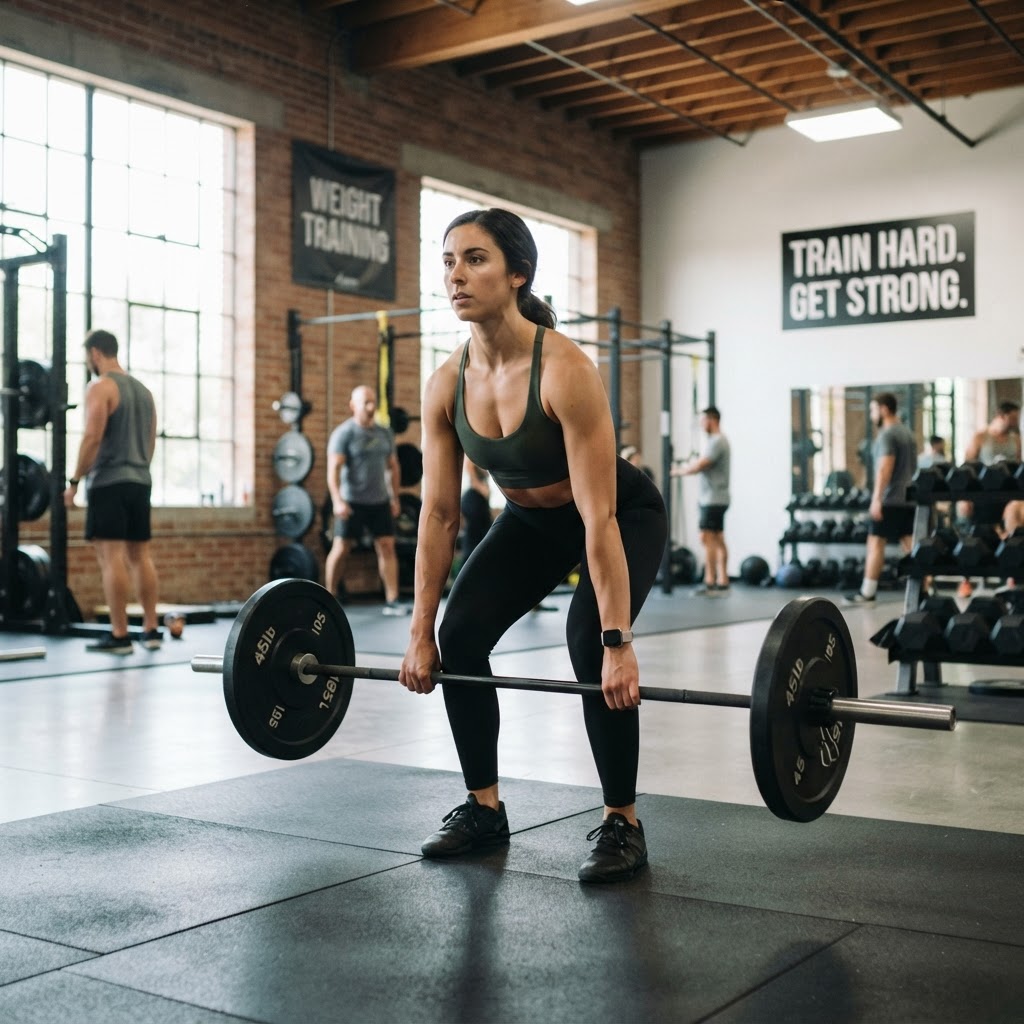
Understanding the Two Phases of Your Lift
At Clarence Park Health Suite, we often see members meticulously counting seconds as they lower a dumbbell, convinced that the 'eccentric' (lowering) phase is the secret key to unlocking massive muscle growth. It is a common piece of advice in the fitness world: 'slow down the lowering phase to build more muscle.' But does the science actually support the idea that focusing on the eccentric phase is superior to the concentric (lifting) phase?
What the Research Says
For years, the 'eccentric-is-better' narrative has been a staple of gym culture. The logic is that because we are stronger during the lowering phase, we should emphasize it to provide a greater stimulus for hypertrophy. However, recent systematic reviews and meta-analyses have challenged this assumption.
A recent study published in SportRxiv (and later in peer-reviewed literature) examined the effects of eccentric versus concentric muscle actions on hypertrophy. The findings were clear: there was no significant difference in muscle growth between the two when compared directly. Whether you are 18 or 60, the data suggests that the body responds to the total mechanical tension of the movement rather than an exclusive focus on the lengthening phase.
Why 'Eccentric Overload' Can Be Misleading
Some advanced training techniques, such as using weight releasers to load the eccentric phase at 120% of your 1-rep max, have been popularized to 'force' growth. As noted by researcher Milo Wolf in recent analyses, while these methods are interesting, they often complicate training without providing a clear, superior hypertrophic advantage for the average gym-goer.
If you are training for general health, fat loss, or muscle tone, you don't need to overcomplicate your sessions with complex eccentric-only protocols. The most effective approach remains consistent, high-quality training that incorporates both phases of the movement effectively.
Practical Takeaways for Your Training
At our gym, we believe in keeping things simple and effective. Here is how you can apply this research to your own workouts:
- Focus on Control, Not Just Speed: While you don't need to obsess over a 5-second lowering phase, maintaining control throughout the entire range of motion is vital for safety and muscle engagement. Avoid 'dropping' the weight.
- Prioritize Total Volume: Since research shows that both phases contribute to growth, ensure you are performing your repetitions with a full range of motion. This ensures you are getting the benefits of both the shortening and lengthening phases.
- Consistency Over Complexity: You do not need fancy equipment or specialized eccentric-overload techniques to see results. A well-structured program focusing on progressive overload—gradually increasing the weight or reps over time—is the gold standard for building muscle.
- Seek Professional Guidance: If you are unsure about your form or how to structure your training, our 1-to-1 personal training services are designed to help you optimize your movement patterns. We can help you refine your technique so that every rep counts, regardless of the phase.
The Bottom Line
Don't get caught up in the 'eccentric vs. concentric' debate. Both phases are essential components of a healthy, effective resistance training program. By focusing on controlled, full-range movements and consistent effort, you will achieve the results you are looking for without needing to chase the latest training fads. If you need help building a routine that works for your specific goals, our team is always here to support your progress in the gym.