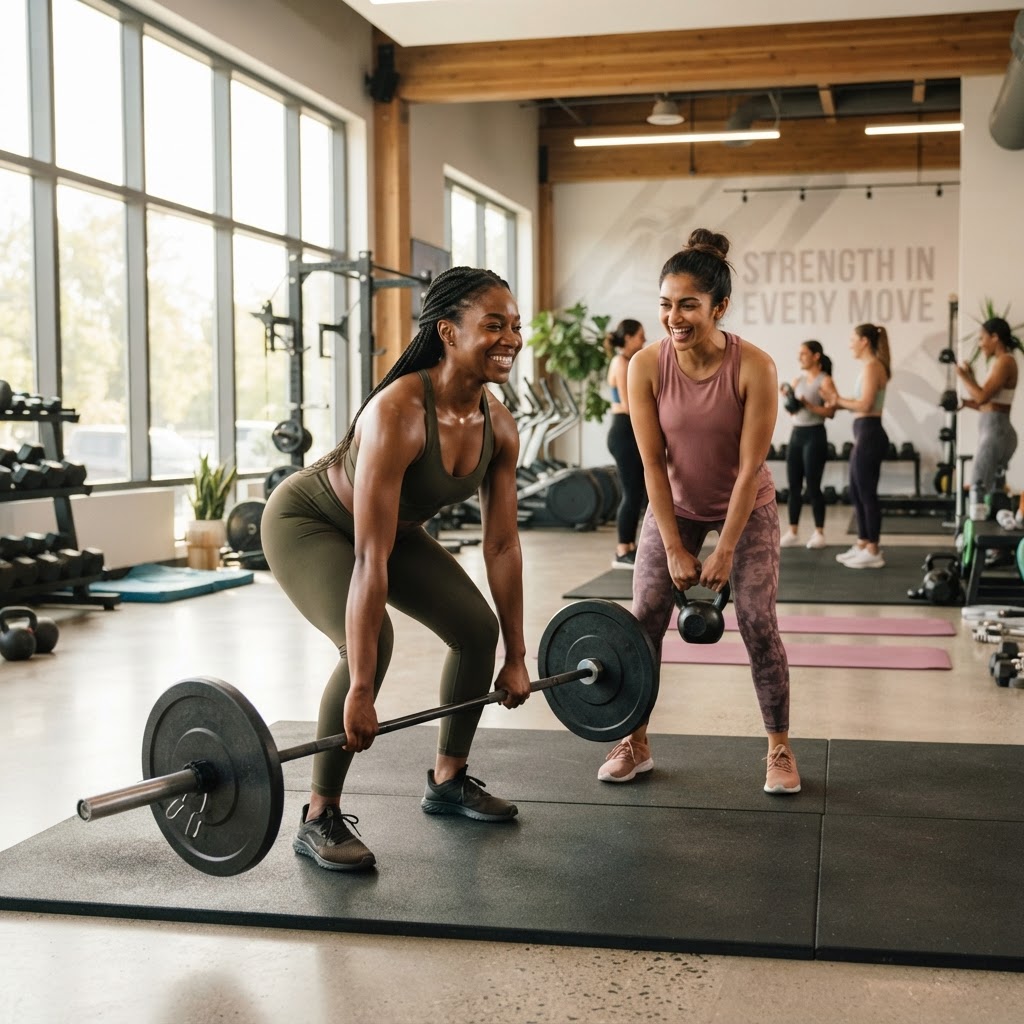
The Hormonal Shift
As we navigate the years surrounding menopause, many women notice that their usual gym routine starts to feel different. You might find that the same effort doesn't yield the same results, or that recovery takes a little longer. This isn't just in your head—it is a physiological reality. Research published in The Obstetrician & Gynaecologist (2026) highlights that the decline in sex hormones, particularly estrogen, directly impacts mitochondrial health and muscle protein synthesis.
When estrogen levels drop, the body’s ability to repair muscle tissue after a workout can become slightly blunted. This transition is a primary driver of sarcopenia—the age-related loss of muscle mass and function. However, understanding this shift is the first step toward mastering it. At Clarence Park Health Suite, we believe that knowing the 'why' behind your training is the best way to stay motivated.
Why Resistance Training is Non-Negotiable
While hormone replacement therapy (HRT) has its place in medical management, recent studies consistently show that lifestyle modifications—specifically resistance training—are the most effective tools for maintaining muscle function and metabolic health. A 2026 systematic review in Frontiers in Public Health confirmed that targeted exercise interventions significantly improve skeletal muscle mass index and strength in postmenopausal women, even those already experiencing sarcopenia.
Unlike general activity, structured resistance training provides the specific mechanical tension required to signal your body to hold onto muscle tissue. If you are feeling the effects of the menopausal transition, your gym membership is arguably your most valuable health asset.
Practical Adjustments for Your Routine
If you are in your 40s, 50s, or beyond, you don't need to overhaul your life, but you may need to refine your approach to the weights:
- Prioritize Progressive Overload: Because the hormonal environment is less 'anabolic' than it was in your 20s, you must provide a clear, consistent signal to your muscles to grow. Keep a log of your lifts and aim to increase the weight or the number of repetitions over time.
- Focus on Compound Movements: Exercises that use multiple joints—like squats, deadlifts, and presses—recruit more muscle mass. This is crucial because larger muscle groups, like the quadriceps, respond well to the hormonal shifts that occur during training.
- Don't Fear Intensity: Research suggests that higher-intensity resistance training can be more effective for muscle mass retention than moderate-intensity work. If you are unsure how to safely increase your intensity, our 1-to-1 personal training sessions are designed to help you find that 'sweet spot' safely.
- Protein Timing: Muscle protein synthesis is the process of building new muscle. To support this, ensure you are consuming adequate protein throughout the day, particularly in the window following your gym session.
A Friendly Environment for Your Goals
At Clarence Park Health Suite, we understand that the gym can sometimes feel intimidating, especially when you are dealing with the physical changes of midlife. We pride ourselves on being a small, friendly space where you can focus on your own progress without the noise of a crowded facility. Whether you are looking to lose body fat, build functional strength, or simply feel more capable in your daily life, our gym access and 1-to-1 personal training services are here to support your journey.
Remember, it is never too late to start. Whether you are just beginning your fitness journey or looking to refine your existing routine, the best time to invest in your musculoskeletal health is today.