The Stopwatch Trap
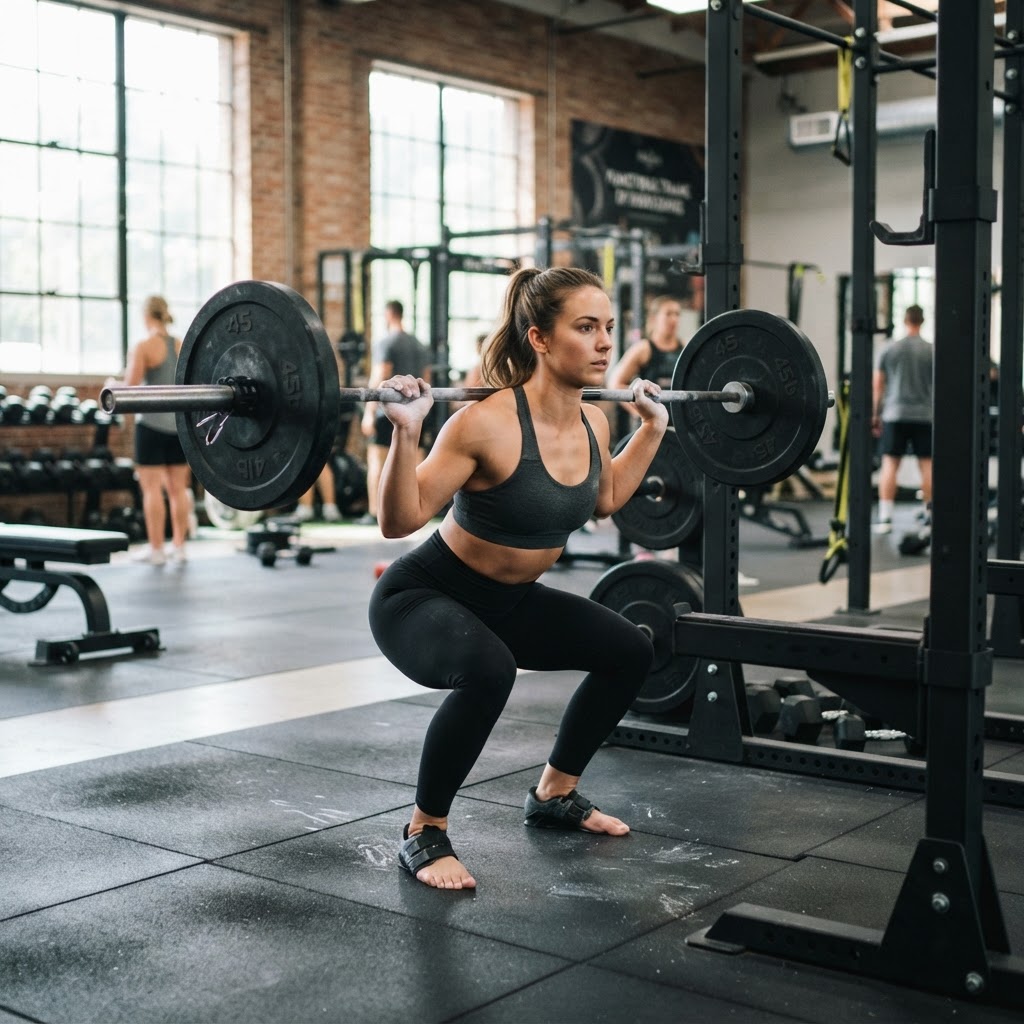
If you have spent any time in the gym, you have likely seen the scene: someone finishes a set of squats, immediately hits a stopwatch on their phone, and stares intensely at the screen until it beeps. While tracking rest is a common practice, recent research suggests that you might be able to trade that rigid timer for something much more natural: your own intuition.
At Clarence Park Health Suite, we believe that training should be sustainable and enjoyable. For many of our members, the pressure to adhere to strict, arbitrary rest periods can turn a productive workout into a stressful chore. The good news? Science is starting to back the idea that you don't need to be a slave to the clock.
What the Science Says
A recent study published in SportRxiv (Mohan et al.) challenged the traditional approach of fixed rest intervals. Researchers compared a group of lifters using fixed two-minute rest periods against a group that used 'self-selected' rest intervals—essentially resting until they felt ready for their next set. The results were eye-opening: both groups saw similar improvements in muscle thickness, strength, and local muscular endurance over an eight-week period.
This suggests that for most gym-goers, your body is remarkably good at gauging how much recovery it needs to perform at a high level. When you listen to your internal cues, you are practicing a form of autoregulation, which allows you to adjust your training intensity based on how you feel on any given day.
Why 'Self-Selection' Works
There is a common misconception that shorter rest periods are always better for muscle growth. While some studies, such as the Bayesian meta-analysis published in Frontiers in Sports and Active Living (2024), indicate a small hypertrophic benefit to resting longer than 60 seconds, the key takeaway is that you need enough recovery to maintain your training volume.
If you force yourself to start a set before you have recovered, your performance will likely drop, meaning you perform fewer reps or use less weight. By resting until you feel ready, you ensure that you can maintain the quality of your sets, which is the primary driver of muscle growth.
Practical Application for Your Workouts
If you want to try this approach during your next session at our gym, here is how to do it effectively:
- Focus on Readiness, Not Boredom: There is a difference between being ready to lift and simply being distracted. Aim to start your next set when your breathing has returned to a manageable level and you feel mentally prepared to tackle the weight with good form.
- Use Your 1-to-1 PT for Guidance: If you are unsure if you are resting too long or too little, our personal training services are designed to help you calibrate your internal clock. A trainer can observe your movement quality and help you identify the 'sweet spot' where you are recovered enough to push hard, but not so rested that you lose the intensity of your workout.
- Keep a Log: Even if you aren't using a timer, keep track of your weights and reps. If you notice your performance is consistently dropping over several weeks, it might be a sign that you need to be more disciplined with your rest, or perhaps that you need to adjust your overall training volume.
The Bottom Line
Training is a long-term journey. By moving away from the stress of the stopwatch and toward a more intuitive approach, you can make your time in the gym more enjoyable and just as effective. Whether you are here for a quick session or a longer, more focused workout, remember that the best rest interval is the one that allows you to perform your best.
If you would like to refine your training structure or need help designing a program that fits your lifestyle, feel free to speak with us about our individual gym access or 1-to-1 personal training services. We are here to help you reach your goals, one set at a time.