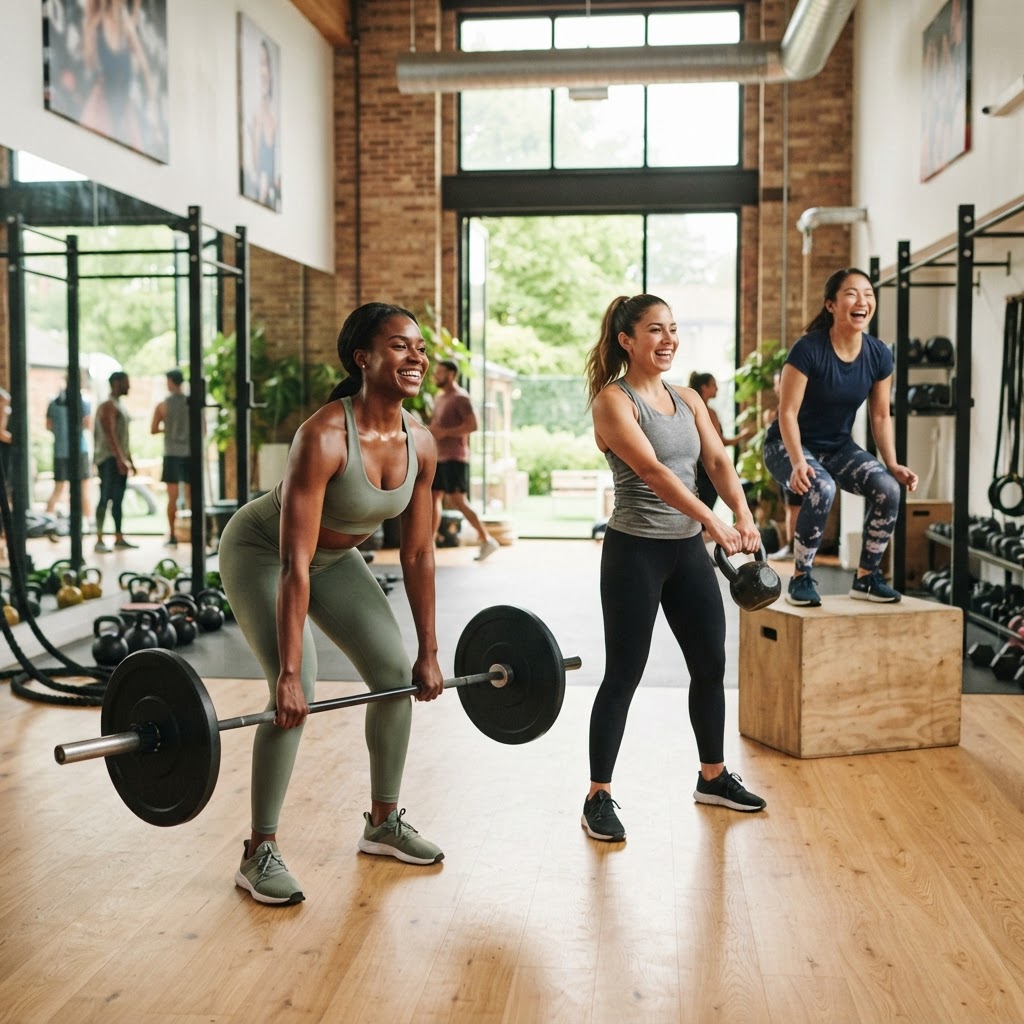
The Power of Heavy Loading
For many women navigating the menopause transition, the physical changes—such as shifts in body composition and a feeling of reduced strength—can feel inevitable. However, recent scientific evidence suggests that these changes are not a foregone conclusion. A landmark 2026 study, the STOP-EM trial, demonstrated that heavy strength and impact training can significantly improve lean mass, muscle strength, and lumbar spine bone mineral density during this critical life stage [3].
At Clarence Park Health Suite, we believe that understanding the 'why' behind your training is the first step toward long-term health. Whether you are in perimenopause or postmenopause, your body remains highly responsive to the right stimulus.
Why 'Heavy' Matters
When we talk about 'heavy' training, we aren't suggesting you need to be an Olympic lifter. Instead, we are referring to the principle of mechanical loading. Research published in the Journal of Orthopaedic Surgery and Research indicates that high-intensity training—defined as 70% or more of your one-repetition maximum (1RM)—is particularly effective for stimulating bone formation and improving bone mineral density in postmenopausal women [6].
When you lift a challenging weight, you create a mechanical signal that tells your body to reinforce its structures. This process is essential for:
- Preserving Lean Mass: As hormone levels fluctuate, muscle protein synthesis can be impacted. Resistance training acts as a direct countermeasure to this decline [9].
- Bone Health: The mechanical pull of muscle on bone during heavy lifts stimulates osteoblasts, the cells responsible for bone formation [8].
- Metabolic Efficiency: Muscle is metabolically active tissue. By increasing your muscle volume, you support a healthier metabolism, which helps in managing body fat [8].
Actionable Steps for Your Gym Routine
You don't need to overhaul your life to see these benefits. The research suggests that consistency is more important than complexity. Here is how you can apply these findings at our gym:
- Prioritize Compound Movements: Focus on exercises that recruit multiple muscle groups, such as squats, deadlifts, and overhead presses. These movements allow you to safely load the body and provide the greatest 'bang for your buck' [3].
- Aim for Intensity: Ensure your final repetitions feel challenging. If you can easily complete your sets without effort, you may not be providing enough stimulus to trigger the adaptations your body needs [8].
- Frequency Matters: Aim for 2–4 sessions per week. Studies show that this frequency is sufficient to produce significant improvements in strength and body composition across the lifespan [1, 5].
- Track Your Progress: Whether you are working with one of our personal trainers or using the gym independently, keep a log of your weights. Seeing your 1RM increase over time is one of the most rewarding ways to stay motivated.
A Friendly Environment for Your Goals
At Clarence Park Health Suite, we pride ourselves on being a small, friendly space where you can focus on your training without the distractions of a large, impersonal gym. We understand that starting a new strength routine can feel daunting, but the evidence is clear: it is never too late to start.
If you are unsure about your form or how to safely increase your intensity, our personal training services are designed to help you build a program that is tailored to your specific needs. We are here to support you in making resistance training a sustainable, empowering part of your life. Remember, the goal is not just to look better, but to build a body that is resilient, strong, and capable for years to come.