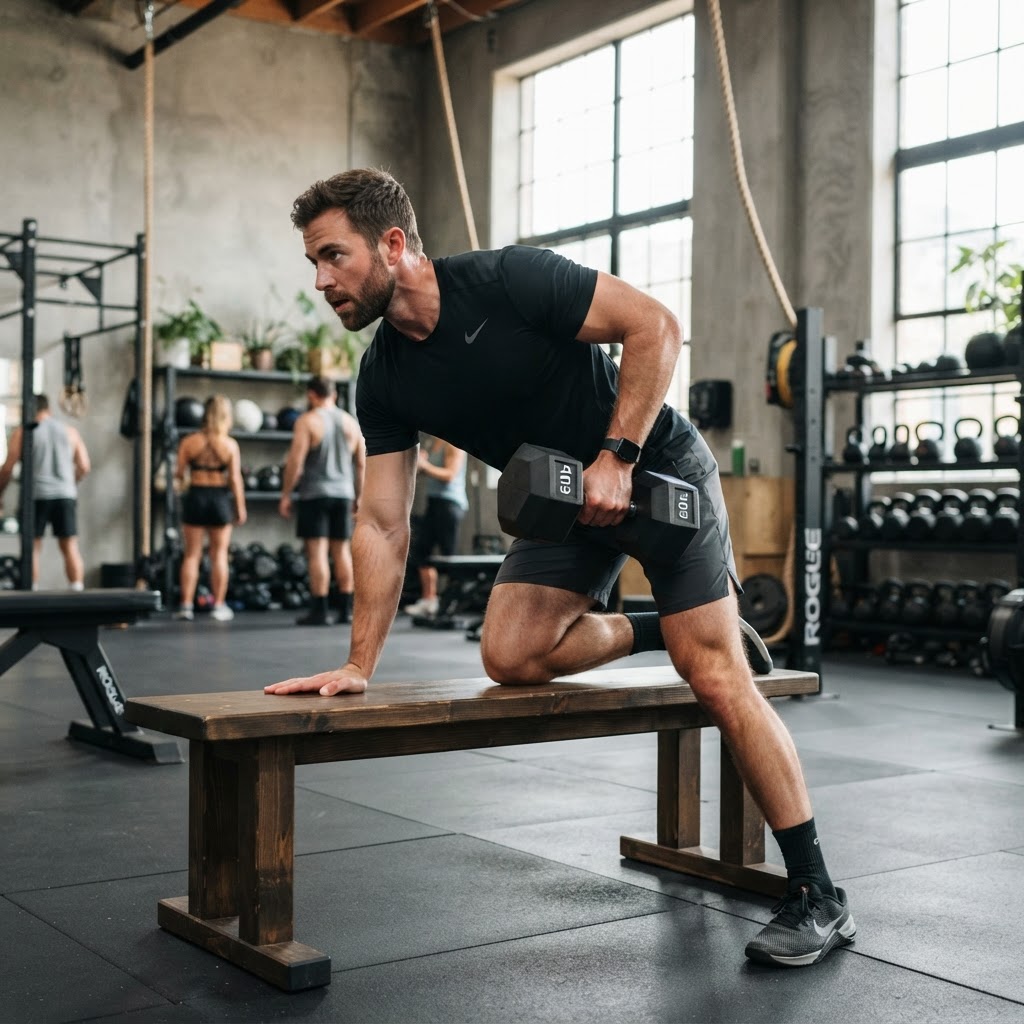
The Hidden Dialogue Inside You
At Clarence Park Health Suite, we often talk about 'gains' in terms of muscle size or strength. But there is a fascinating, silent conversation happening beneath the surface every time you pick up a dumbbell. Recent research into 'muscle-bone crosstalk' reveals that your muscles and bones are not just separate structures; they are active partners in a complex biological feedback loop that dictates your long-term health.
The Mechanotransduction Effect
When you perform a resistance exercise—like a squat or a deadlift—you aren't just stressing your muscle fibers. You are applying mechanical load to your skeletal system. According to the principle of mechanotransduction, your bones sense this physical stress and respond by initiating adaptive bone formation.
As noted in recent studies, this process is highly site-specific. The bones that experience the most load during your training are the ones that adapt the most effectively. This is why a well-rounded resistance program is far superior to low-impact activities for skeletal integrity. When you train with us, whether through individual gym access or 1-to-1 personal training, you are essentially sending a signal to your body to reinforce its own structural foundation.
The Secret Chemical Messengers
It isn't just about the physical force. Your muscles act as an endocrine organ, secreting 'myokines'—signaling proteins that enter the bloodstream and communicate directly with your bones.
Research published in Frontiers in Endocrinology highlights that exercise promotes the secretion of factors like Irisin and Insulin-like Growth Factor I (IGF-1). These substances don't just help you build muscle; they actively improve bone quality and help maintain the delicate balance between bone absorption and formation. By keeping your training consistent, you are keeping these chemical pathways open and active, which is a vital strategy for preventing age-related decline in bone density.
Practical Steps for Your Training
If you want to leverage this muscle-bone bridge, consider these actionable tips for your next session at the gym:
- Prioritize Compound Movements: Exercises like squats, presses, and rows create the highest mechanical demand, which provides the strongest stimulus for both muscle growth and bone adaptation.
- Control the Eccentric Phase: Don't just drop the weight. Controlling the lowering phase of a lift increases the time under tension, which enhances the mechanical signal sent to your bones.
- Consistency Over Intensity: While high-intensity training is effective, the most important factor is regular, progressive loading. Aim for 2–3 sessions per week to keep the 'crosstalk' between your tissues consistent.
- Mind Your Energy Intake: Recent research on Relative Energy Deficiency in Sport (REDs) reminds us that even the best training program can be undermined if you aren't fueling your body properly. Ensure you are eating enough to support the tissue remodeling your body is trying to perform.
Building for the Long Term
At our gym, we believe that fitness is a lifelong pursuit. By focusing on resistance training, you are doing more than just changing your physique; you are investing in your skeletal health for decades to come. Whether you are just starting out or looking to refine your technique, our team is here to help you build a program that respects this powerful connection between your muscles and your bones.
If you are unsure how to structure your routine to maximize these benefits, consider booking a 1-to-1 personal training session. We can help you design a plan that ensures you are loading your body safely and effectively, turning every session into a building block for a stronger, more resilient you.