The Hidden Benefit of Your Gym Sessions
When you walk through the doors of Clarence Park Health Suite, your primary goal might be building muscle, shedding body fat, or simply feeling more capable in your daily life. However, there is a silent, structural transformation happening beneath the surface that is just as important as the gains you see in the mirror: your bone mineral density (BMD).
For many men, bone health is often overlooked until later in life. Yet, research suggests that the foundation for a resilient skeleton is built through the same consistent, progressive resistance training you use to build muscle.
The Mechanical Load Principle
Your bones are living, dynamic tissues that respond to the stresses placed upon them. According to research published in Endocrinology and Metabolism, bone tissues must be exposed to mechanical loads that exceed those experienced during daily living activities to trigger an osteogenic (bone-building) response [2].
Think of it this way: walking or light movement is excellent for general health, but it rarely provides the 'mechanical strain' required to signal your body to increase bone density. To stimulate your osteoblasts—the cells responsible for bone formation—you need to apply a load that challenges your musculoskeletal system [4]. This is where structured resistance training becomes your most effective tool.
Why Resistance Training Wins
Studies have consistently highlighted resistance training as the gold standard for skeletal health. A systematic review published in 2024 noted that resistance training is highly effective at stimulating the replacement of adipose tissue with muscle while simultaneously improving bone density [3].
Unlike other forms of exercise, resistance training allows for the precise, progressive application of force. By gradually increasing the weight or intensity of your lifts, you ensure that your skeleton is constantly adapting to new demands. Research has shown that even in men with pre-existing low bone mass, consistent resistance training can lead to measurable increases in BMD in critical areas like the hip and lumbar spine [9].
Practical Application for Your Training
At our gym, we focus on individual progress. Whether you are a beginner or a seasoned lifter, you can harness these benefits by following a few simple principles:
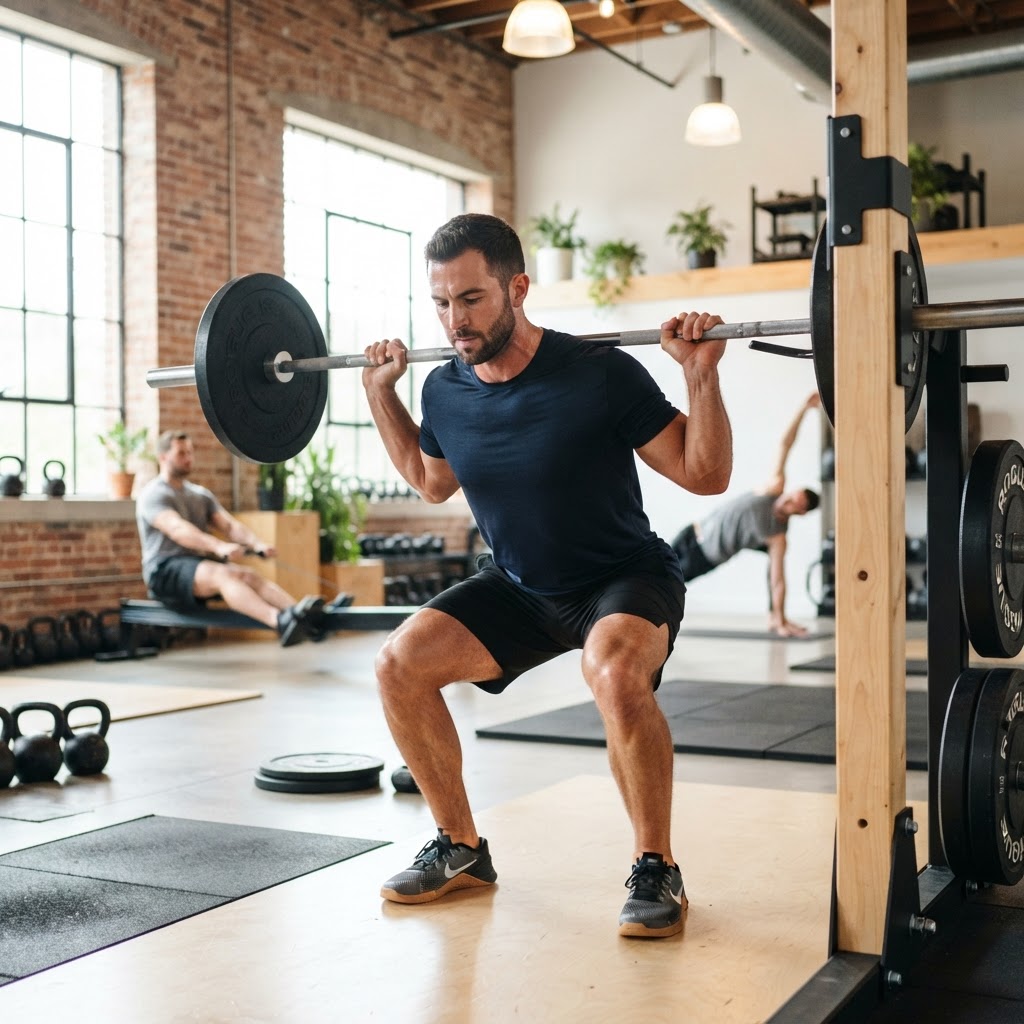
- Prioritize Compound Movements: Exercises like squats, deadlifts, and overhead presses place a significant, safe load on the skeleton, maximizing the osteogenic stimulus.
- Progressive Overload: Your bones need a reason to get stronger. If you are lifting the same weight for the same reps for months, your skeletal adaptation will plateau. Work with a personal trainer to ensure your program is consistently challenging.
- Consistency is Key: The research indicates that long-term adherence is what drives results. Aim for at least two sessions per week dedicated to resistance training to maintain that vital mechanical stress on your bones.
A Proactive Approach
It is a common misconception that bone density is only a concern for the elderly. By engaging in regular resistance training now, you are essentially paying into a 'skeletal insurance policy.' You are not just training for the body you want today; you are building the structural integrity you will rely on for decades to come.
If you are unsure how to safely increase your training intensity to maximize these benefits, our personal training services are designed to help you navigate these loads safely. We focus on form and steady progression, ensuring that every session contributes to a stronger, more resilient you.
Remember, your muscles might be the engine, but your skeleton is the chassis. Keep it strong, keep it loaded, and keep training.