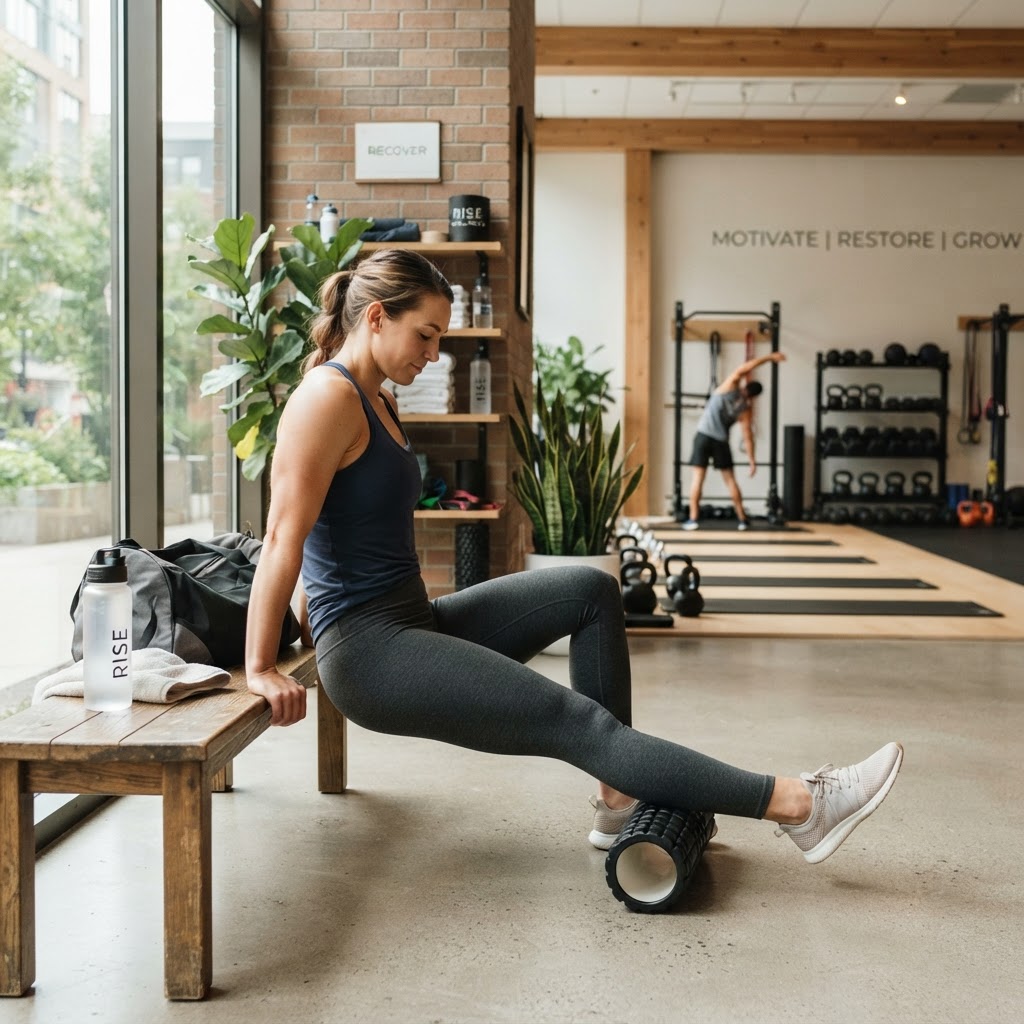
The Myth of the 'Recovery Hustle'
In the fitness world, there is a persistent pressure to be 'doing' something at all times. If you aren't foam rolling, icing, or using expensive percussive devices, you might feel like you are falling behind. At Clarence Park Health Suite, we often see members who feel guilty for simply sitting down after a tough session. However, a major 2026 systematic review and network meta-analysis published in Frontiers in Sports and Active Living suggests it is time to rethink this approach [1, 8].
What the Science Says
Researchers Yu Jin and colleagues analyzed 47 comparisons across various physical recovery modalities. Their conclusion was striking: no physical recovery modality was shown to consistently outperform passive recovery in competitive or elite endurance athletes [1, 8].
While active recovery—such as light walking or low-intensity movement—has its place, the data indicates that for many, the most effective way to recover is simply to stop and let the body do its work [1, 3]. When you finish a challenging set of squats or a high-intensity interval session, your body is already hard at work repairing muscle fibers and replenishing energy stores. Adding complex, external recovery protocols can sometimes be an unnecessary stressor rather than a benefit.
Why 'Passive' Doesn't Mean 'Lazy'
It is important to distinguish between 'passive recovery' and 'sedentary behavior.' Passive recovery is a deliberate choice to allow your nervous system and muscles to return to homeostasis without additional physical demand.
For the everyday gym-goer, this is excellent news. It means that your recovery strategy doesn't need to be a second workout. If you are training for fat loss or muscle gain, your primary focus should be on the quality of your training sessions and the consistency of your nutrition. If you find yourself exhausted, the best 'modality' is often just a quiet moment of rest, proper hydration, and a focus on getting to bed on time.
Practical Application for Your Gym Routine
At our gym, we encourage members to focus on the fundamentals. Here is how you can apply the 'Passive Advantage' to your own training:
- Between Sets: Instead of pacing around or trying to keep moving, use your rest periods to sit, breathe, and focus on your next set. Research has shown that for high-intensity work, passive rest can lead to better performance outcomes than trying to stay active during your recovery intervals [3, 6].
- Post-Workout: Give yourself 5–10 minutes of true downtime after your session before rushing back into your daily responsibilities. This allows your heart rate to settle and your nervous system to shift out of 'fight or flight' mode.
- Listen to Your Body: If you are feeling particularly drained, don't feel pressured to add extra recovery 'hacks.' Sometimes, the most productive thing you can do for your progress is to go home, eat a balanced meal, and rest.
When to Seek Guidance
While passive recovery is a powerful tool, everyone’s body responds differently to training stress. If you are unsure how to balance your intensity with your recovery needs, our team is here to help. Whether you are looking for a structured gym membership or want to work with a 1-to-1 personal trainer to refine your training volume, we can help you build a plan that prioritizes your long-term health over short-term trends.
Remember, recovery isn't about how many gadgets you use; it's about giving your body the space it needs to adapt and grow stronger. Sometimes, the best strategy is simply to let yourself rest.