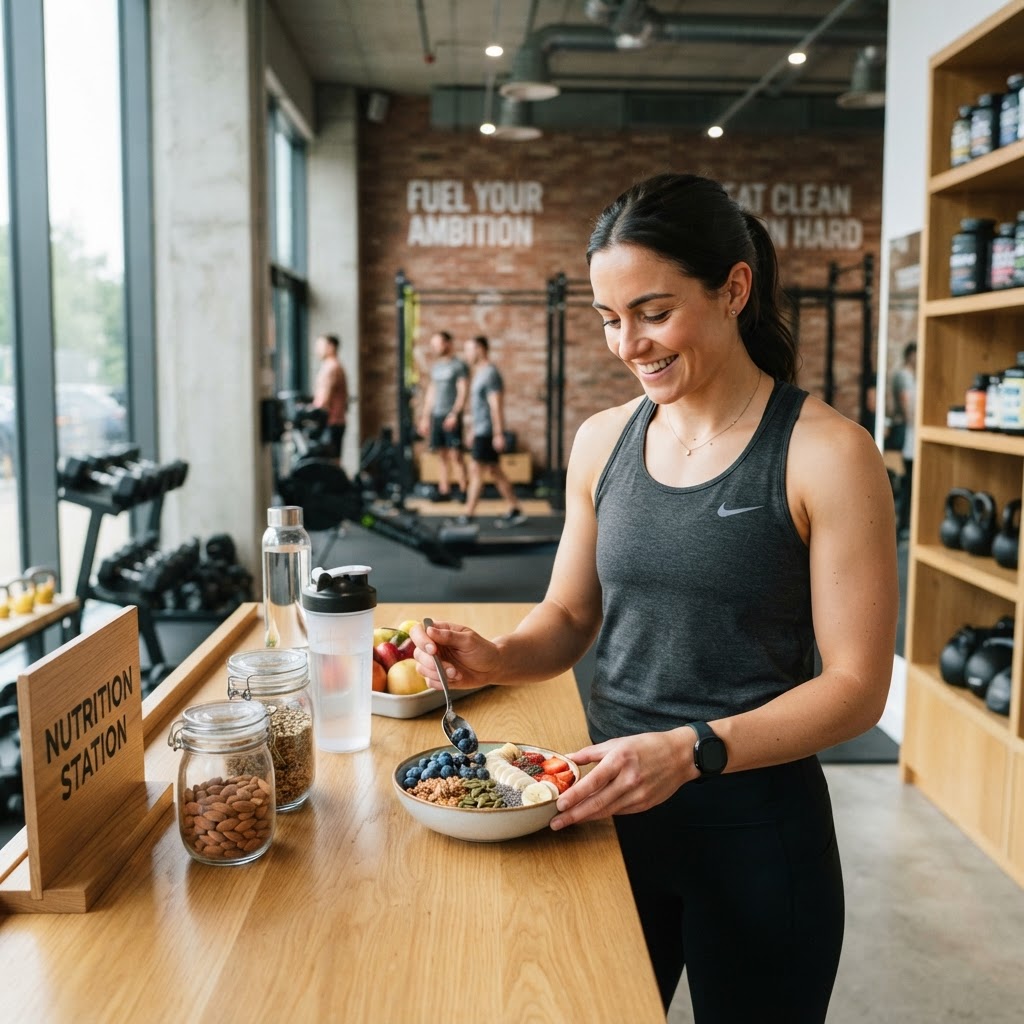
Rethinking the 'Anabolic Window'
If you have spent any time in the fitness world, you have likely heard of the 'anabolic window'—the idea that you must consume a protein shake within 30 to 60 minutes of finishing your workout, or risk losing all your hard-earned gains. At Clarence Park Health Suite, we often see members rushing to their gym bags the moment they finish a set, worried that a delay will sabotage their progress.
However, recent scientific reviews, including a comprehensive look at research from 2024–2026, suggest that this narrow window is largely a myth [6]. While immediate post-exercise nutrition is helpful, it is not the make-or-break factor many once believed it to be. Instead, the latest evidence points toward a more sustainable and effective strategy: Protein Distribution.
What the Science Says
Research published in recent years has shifted the focus from 'timing' to 'total daily intake' and 'distribution' [6, 7]. While short-term studies have shown that protein ingestion after resistance training can acutely increase muscle protein synthesis (MPS), meta-analyses have found that when total daily protein intake is sufficient, the specific timing of that protein has a negligible effect on long-term lean mass and strength gains [7, 8].
Essentially, your body is constantly in a state of flux between muscle protein synthesis (building) and muscle protein breakdown (repairing/degrading). To maximize your results, the goal is to keep your body in a net-positive state for as much of the day as possible [2].
The Power of Even Distribution
Rather than obsessing over a single post-workout meal, focus on spreading your protein intake across 3–5 meals throughout the day. This approach ensures that your muscles have a steady supply of amino acids, which are the building blocks required for repair and growth [2].
Here is why this matters for your training:
- Consistent Anabolism: By consuming 20–40 grams of high-quality protein at each meal, you trigger MPS multiple times throughout the day, rather than just once after your gym session [2, 4].
- Better Recovery: Consistent protein intake helps manage muscle soreness and supports the repair of micro-damage caused by both strength and aerobic training [4].
- Flexibility: If you are training at our gym, you don't need to panic if you forget your protein shake. As long as you hit your total daily protein goal, your body will have the resources it needs to adapt to your training [6].
Practical Tips for Your Routine
At Clarence Park Health Suite, we believe fitness should fit into your life, not dominate it. Here is how you can apply this to your daily routine:
- Prioritize Total Intake: Aim for a consistent daily protein target. If you are unsure what this looks like for your specific goals, our personal training (PT) services can help you calculate a target that supports your body composition goals.
- Don't Skip Breakfast: Many people front-load their protein at dinner. Try to include a high-protein source (like eggs, Greek yogurt, or lean meats) at breakfast to kickstart your muscle protein synthesis early in the day.
- Focus on Quality: Whether you are using our gym for individual sessions or working with a PT, ensure your protein sources are high-quality (containing all essential amino acids) to provide the best support for your muscle tissue.
The Bottom Line
While post-workout nutrition is a useful tool, it is just one piece of the puzzle. The 'anabolic window' is much wider than we once thought. By focusing on consistent protein distribution throughout the day, you can support your fitness goals without the stress of watching the clock. If you need help tailoring your nutrition to your training, our team is always here to provide 1-to-1 guidance to ensure you are getting the most out of your time at the gym.