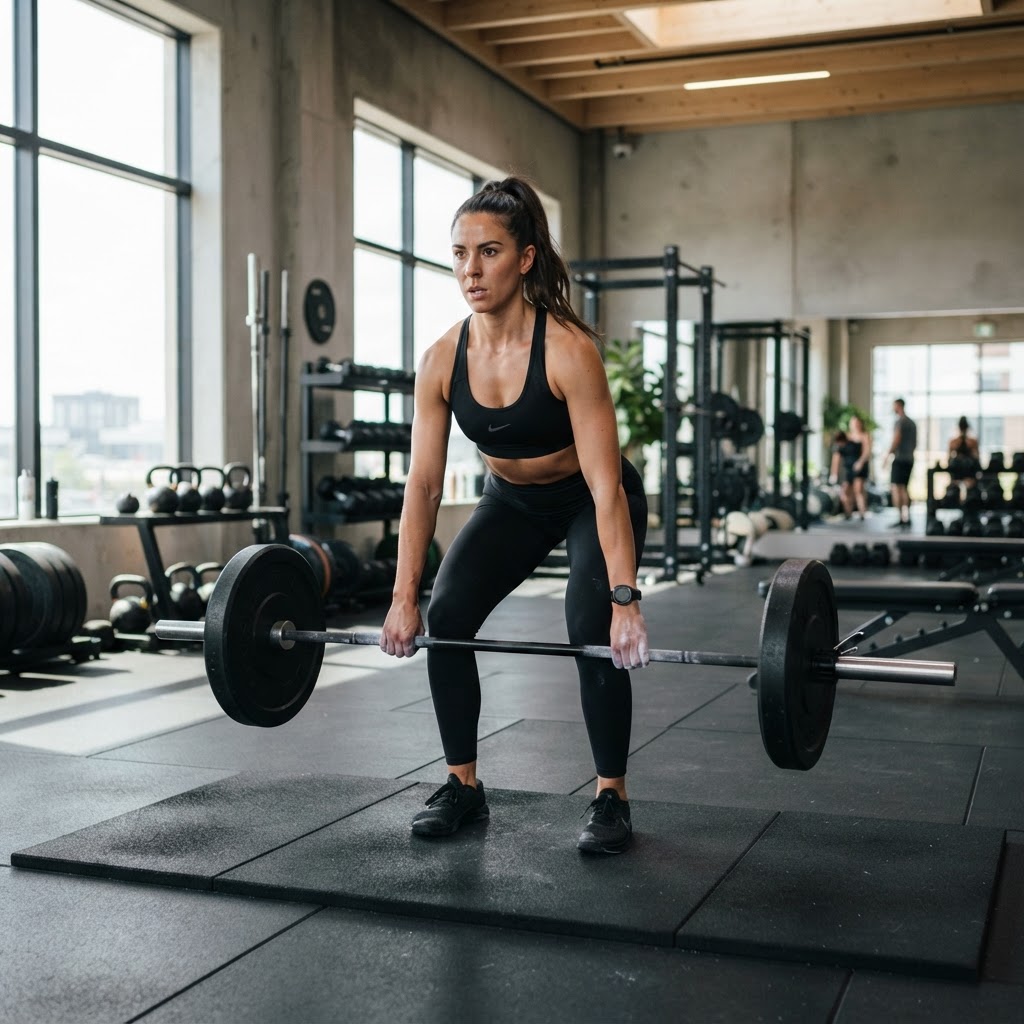
The Myth of the 'Short Rest'
If you have spent any time in a gym, you have likely heard the advice to keep your rest periods short—often between 30 and 60 seconds—to 'maximize the burn' or keep your heart rate up. For years, this was the gold standard for anyone looking to build muscle. However, at Clarence Park Health Suite, we believe in training smarter, not just harder. Recent scientific evidence is shifting the narrative, suggesting that if you want to see real progress in your strength and muscle size, you might need to spend a little more time sitting on that bench between sets.
What the Science Says
A 2024 systematic review and Bayesian meta-analysis published by Singer et al. challenged the traditional recommendation of short rest periods. The researchers found that longer rest intervals—typically greater than 60 seconds—are actually associated with superior muscle hypertrophy compared to shorter intervals.
Why does this happen? It comes down to 'volume load.' When you rest for only 30 seconds, your muscles do not fully recover. By the time you start your next set, you are already fatigued, which forces you to use lighter weights or perform fewer repetitions. Over the course of a workout, this significantly reduces your total volume load—the total amount of weight lifted multiplied by the number of reps.
Quality Over Speed
Think of your training session like a high-performance engine. If you don't give the engine time to cool down and reset, it won't perform at its peak on the next lap. A study by Schoenfeld et al. (2015) demonstrated this clearly: participants who rested for three minutes between sets saw significantly greater increases in both muscle thickness and maximal strength compared to those who rested for only one minute.
By allowing yourself 2–3 minutes of rest, you ensure that your central nervous system and muscle fibers are sufficiently recovered to maintain high-quality technique and intensity for every single set. This is particularly important for our members who are focused on long-term health and sustainable progress. Whether you are working out on your own or utilizing our 1-to-1 personal training services, the goal is to ensure that every rep counts.
How to Apply This to Your Routine
If you are used to rushing through your workout, here is how you can adjust your approach:
- Prioritize Recovery: For your primary compound lifts (like squats, presses, or rows), aim for 2–3 minutes of rest. This allows you to maintain your strength and form.
- Listen to Your Body: If you feel your breathing is still heavy or your muscles are shaking, don't feel pressured to start the next set just because the clock says so. Autoregulation—listening to your body's readiness—is a powerful tool.
- Focus on Intensity: Because you are resting longer, you should be able to handle slightly heavier loads or perform more reps with the same weight. Use that extra recovery to push the quality of your work.
A Friendly Reminder
At Clarence Park Health Suite, we pride ourselves on being a space where you can focus on your individual goals without the pressure of a crowded, fast-paced environment. Taking longer rest periods doesn't mean you are being lazy; it means you are being strategic. If you are unsure how to structure your rest or want to refine your lifting technique, our personal training services are here to help you build a program that fits your body and your lifestyle.
Remember, muscle growth is a marathon, not a sprint. Give yourself the time you need to recover, and your results will thank you for it.