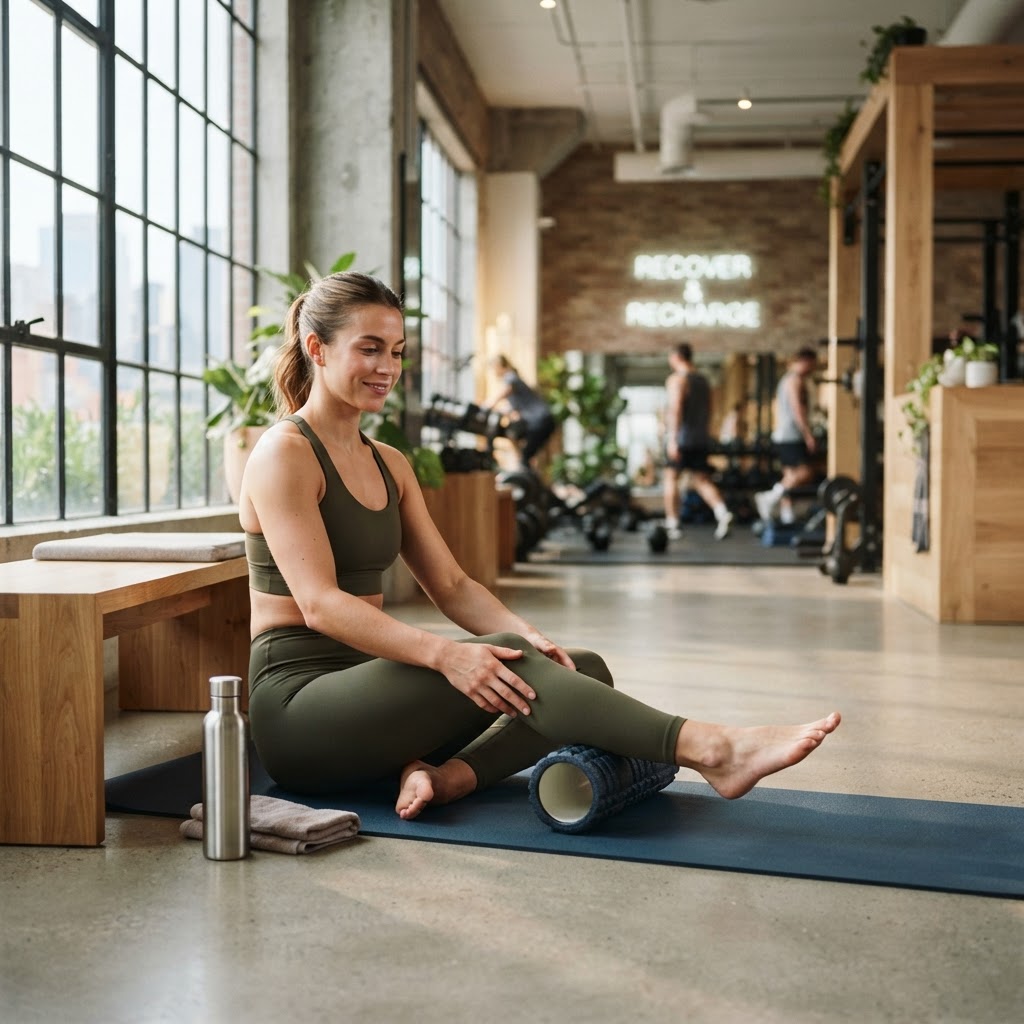
The Hidden Link Between Tension and Recovery
At Clarence Park Health Suite, we often talk about the work you put in on the gym floor. Whether you are here for 1-to-1 personal training or enjoying some quiet time with your own workout plan, we know that the real magic happens when you leave the gym. While nutrition and hydration are frequently discussed, there is one pillar of recovery that is often overlooked: the ability to physically and mentally switch off.
If you find yourself feeling 'wired' after a late-evening workout or struggling to get quality rest, you might be missing out on the most potent recovery tool available: Progressive Muscle Relaxation (PMR).
What is Progressive Muscle Relaxation?
Progressive Muscle Relaxation is a simple, evidence-based technique that involves systematically tensing and then releasing specific muscle groups. By focusing on the contrast between tension and relaxation, you train your nervous system to recognize and release stored physical stress.
Recent research published in Frontiers in Public Health (2026) highlights the effectiveness of this practice. A systematic review and meta-analysis of 14 studies involving 957 participants confirmed that PMR significantly improves subjective sleep quality. For those of us looking to build muscle or lose body fat, this is a game-changer. Quality sleep is the primary window where your body shifts into 'repair mode,' healing the micro-tears created during your resistance training [10].
Why Your Muscles Need the 'Reset'
When you are sleep-deprived, your body’s hormonal environment shifts. Research by Dattilo et al. (2011) suggests that sleep debt can increase catabolic hormones like cortisol while simultaneously reducing the activity of protein synthesis pathways [1, 6]. In plain terms: if you aren't sleeping well, your body may struggle to repair the muscle tissue you worked so hard to stimulate, potentially favoring muscle degradation over growth [3].
By incorporating PMR, you aren't just 'relaxing'—you are actively signaling to your body that it is safe to transition from a state of high-alert (sympathetic nervous system) to a state of repair and regeneration (parasympathetic nervous system).
How to Practice PMR After Your Workout
You don't need any special equipment to start. You can perform this at home, or even in a quiet corner of our gym suite after your session. Here is a simple, actionable protocol:
- Find a comfortable position: Lie down on your back or sit in a supportive chair.
- Start at the extremities: Begin with your toes. Curl them tightly for 5 seconds, then release suddenly and feel the tension drain away for 10 seconds.
- Move upward: Progress through your calves, thighs, glutes, abdomen, chest, shoulders, and finally your face. Tense each group for 5 seconds, then release.
- Focus on the contrast: Pay close attention to the feeling of 'heaviness' and warmth that follows the release. That is the feeling of your body entering recovery mode.
Consistency Over Intensity
The 2026 meta-analysis found that you don't need to be a master of meditation to see results. The study indicated that frequency is not the primary driver of success; rather, it is the consistent application of the technique that helps improve sleep quality over time [5]. Whether you practice once a day or a few times a week, the cumulative effect on your nervous system will support your fitness goals.
At Clarence Park Health Suite, we believe in keeping things simple and effective. If you are feeling stuck in your progress, consider adding 10 minutes of PMR to your evening routine. It is a small, friendly change that could make a massive difference in how you feel, perform, and recover. If you need help integrating recovery strategies into your specific training plan, our personal trainers are always here to help you refine your approach.