Rethinking Your Rest
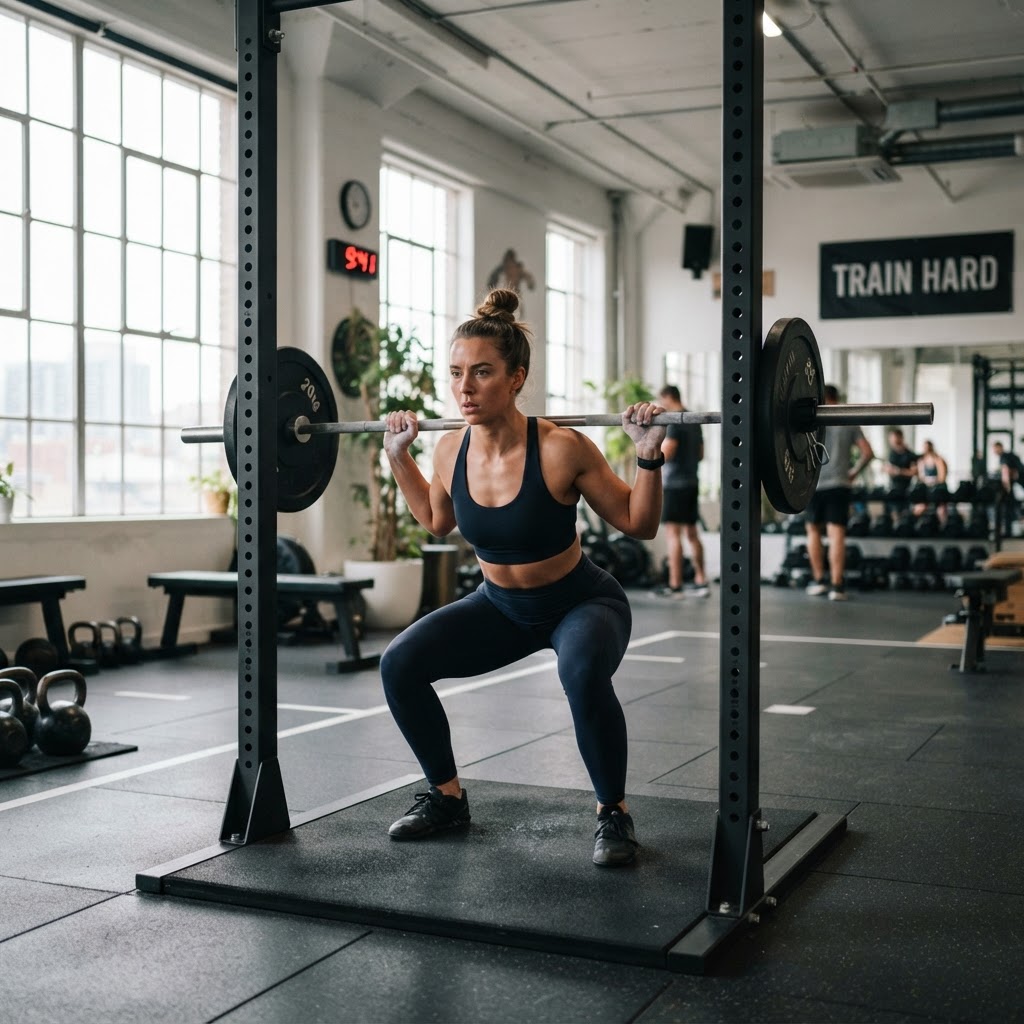
If you have spent any time in the gym, you have likely heard the classic advice: rest for 60 seconds for muscle growth, or 3 minutes for strength. While these guidelines provide a helpful starting point, they often fail to account for the reality of a tough workout. By the time you reach your third or fourth set of squats or bench presses, that one-minute rest period often feels insufficient, leading to a drop in performance and a spike in perceived exertion.
At Clarence Park Health Suite, we want to help you train smarter, not just harder. Recent research suggests there is a more efficient way to manage your recovery: Rest Redistribution (RR).
What is Rest Redistribution?
Traditional set configurations (TS) involve performing all your repetitions for a set, resting for a fixed period, and then repeating. Rest redistribution, however, breaks that set down into smaller 'clusters' with very short rest periods interspersed within the set itself.
For example, instead of doing one set of 10 repetitions with a 2-minute rest, you might perform two 'clusters' of 5 repetitions, separated by only 20–30 seconds of rest. You then take your full recovery before the next cluster. This approach allows you to maintain a higher quality of movement throughout the entire session.
Why It Works: The Science of Efficiency
A 2026 systematic review and meta-analysis published in BMC Sports Science, Medicine and Rehabilitation highlighted the benefits of this approach. The study found that athletes using rest redistribution configurations achieved significantly greater improvements in mean power and peak torque compared to traditional sets. Perhaps most importantly for the everyday gym-goer, RR was associated with significantly lower perceived exertion—meaning you can get more work done without feeling like you have been 'hit by a bus' by the end of your workout.
By breaking the set into smaller chunks, you allow for partial recovery of your muscle's energy stores (specifically phosphocreatine) during those brief intra-set pauses. This helps you maintain a higher velocity and better technique, which are critical for both strength gains and muscle hypertrophy.
How to Apply This at Clarence Park
You do not need fancy equipment or a complex app to use this technique. Here is how you can integrate it into your next 1-to-1 personal training session or solo workout:
- Choose Your Compound Lifts: This method works best for multi-joint movements like the deadlift, overhead press, or leg press, where fatigue accumulates quickly.
- The Cluster Approach: If your program calls for 3 sets of 9 repetitions, try breaking each set into three clusters of 3 repetitions. Rest for 20 seconds between each cluster, and take your normal 2–3 minute rest between the full sets.
- Monitor Your Effort: Because you are maintaining higher power output, you might find you can handle slightly heavier loads than usual. Keep a log of your weights to ensure you are progressing safely.
- Listen to Your Body: While RR is excellent for managing fatigue, it is still a high-intensity approach. Ensure you are focusing on controlled, deliberate movements.
A Friendly Reminder
Whether you are looking to lose body fat or build functional strength, the most important factor is consistency. If you find that your current rest intervals are leaving you too exhausted to maintain good form, or if you feel like your performance plateaus halfway through your workout, ask one of our trainers about incorporating rest redistribution.
At our gym, we believe that understanding the 'why' behind your training is just as important as the 'how.' By managing your fatigue through smarter rest strategies, you can ensure that every minute you spend on the gym floor is productive, safe, and effective. If you need help adjusting your current program to include these techniques, our team is always here to provide guidance during your individual gym sessions.