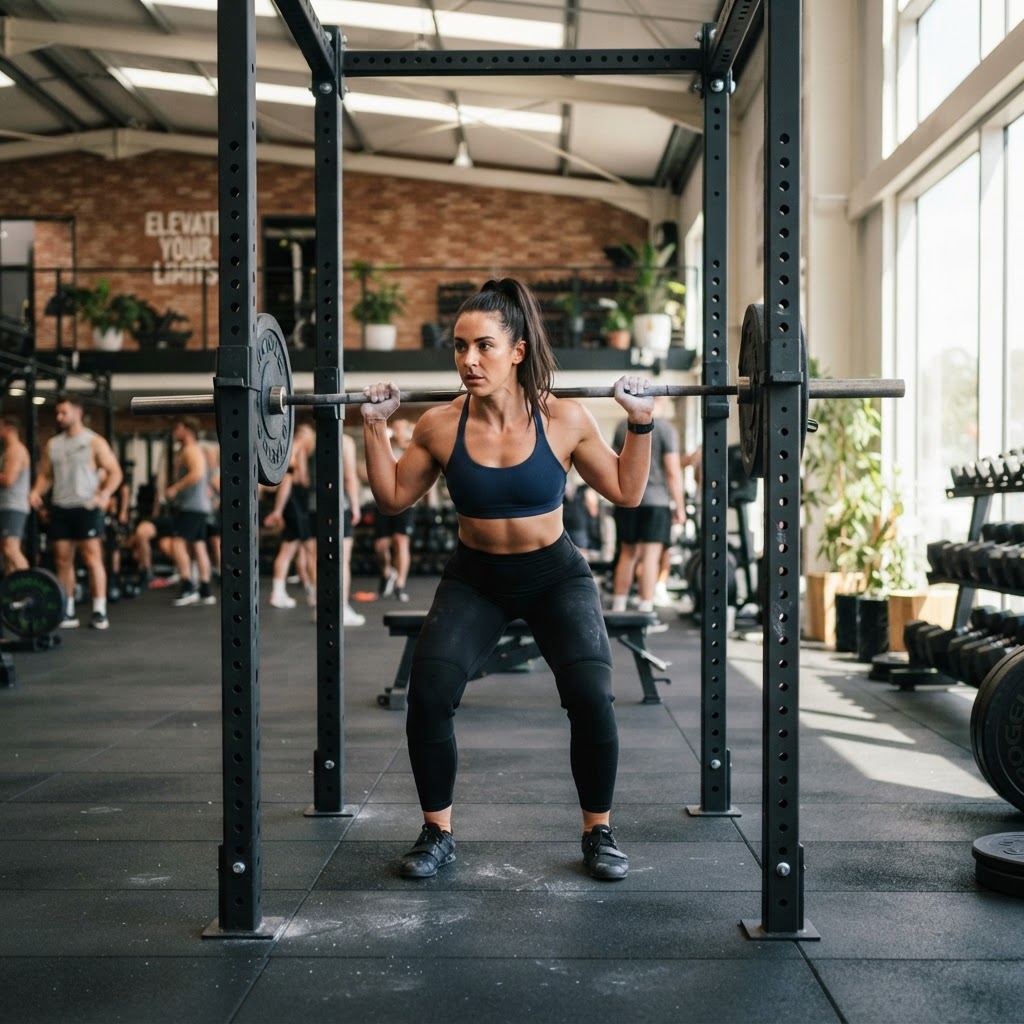
The Hidden Power of Single-Limb Training
When you walk into our gym here at Clarence Park, it is easy to gravitate toward the big, bilateral movements. Squats, deadlifts, and chest presses are staples for a reason—they allow you to move significant weight and build a solid foundation. However, if you have been feeling like one side of your body is lagging behind, or if you simply want to add a new dimension to your progress, it is time to talk about unilateral training.
Unilateral training—performing exercises using one limb at a time—is more than just a variation; it is a powerful tool for correcting imbalances and improving functional strength. Whether you are a seasoned lifter or just starting your journey, incorporating single-arm or single-leg movements can unlock new levels of performance.
What the Research Says
Recent scientific literature has shed light on the specific benefits of this approach. A 2026 meta-analysis published in BMC Sports Science, Medicine and Rehabilitation highlighted that while bilateral training is excellent for overall strength, unilateral training shows significant advantages for unilateral strength and explosive performance.
One of the most fascinating aspects of this training style is the "compensation mechanism." When you perform a standard bilateral squat, your stronger leg often subconsciously takes on more of the load, masking the weaknesses of your non-dominant side. By isolating each limb, you force the weaker side to work independently, effectively closing the gap in your strength profile.
Furthermore, research into the "cross-education" effect—a neural phenomenon where training one side of the body can actually lead to strength gains in the untrained, opposite limb—suggests that unilateral work is a potent tool for injury rehabilitation and maintaining strength when you cannot train both sides equally.
Practical Ways to Incorporate Unilateral Work
At Clarence Park Health Suite, we believe in keeping things simple and effective. You do not need to overhaul your entire routine to see the benefits. Here are a few ways to integrate unilateral movements into your next session:
- The Bulgarian Split Squat: This is the gold standard for lower-body unilateral work. It challenges your balance, core stability, and leg strength simultaneously.
- Single-Arm Dumbbell Rows: By rowing with one arm at a time, you increase the demand on your core to prevent rotation, turning a back exercise into a full-body stability challenge.
- Single-Leg Box Step-Ups: A fantastic way to build unilateral leg strength and improve your balance without needing heavy external loads.
A Simple Strategy for Your Next Session
If you are unsure how to start, try a simple superset approach. For example, pair a bilateral movement with a unilateral one to get the best of both worlds. You might perform a set of standard squats, followed by a set of single-leg lunges. This allows you to maintain your heavy lifting while addressing those smaller, often neglected stabilizer muscles.
If you find yourself struggling with form or want a tailored plan to address specific imbalances, our 1-to-1 personal training services are designed to help you master these movements safely. We are here to ensure your time in the gym is as efficient and productive as possible.
Final Thoughts
While bilateral lifts will always have a place in your training, do not overlook the power of the single limb. By adding unilateral exercises to your routine, you are not just building muscle—you are building a more balanced, resilient, and capable body. Next time you are in the gym, try swapping one of your standard movements for a unilateral variation and feel the difference for yourself.