The Hidden Benefit of Your Gym Routine
At Clarence Park Health Suite, we often see members trying to figure out the 'perfect' order for their workouts. Should you hit the treadmill first to warm up, or save it for the end? While many people choose their order based on personal preference or equipment availability, recent research suggests that the sequence of your training might have a profound impact on your long-term vascular health—specifically, the flexibility of your arteries.
Understanding Arterial Stiffness
As we age, our arteries can naturally become stiffer, which increases the workload on the heart and elevates blood pressure. Maintaining 'arterial compliance'—the ability of your blood vessels to expand and contract—is a cornerstone of cardiovascular longevity. Recent studies, including a 2025 review in The Journal of Clinical Hypertension, have highlighted that how we structure our gym sessions can directly influence this process [1].
The 'Aerobic-After-Resistance' Advantage
While both aerobic and resistance training are vital for health, the order in which you perform them appears to matter. Research indicates that performing aerobic exercise after resistance training may lead to more significant improvements in reducing arterial stiffness compared to doing them in the reverse order [1].
Why does this happen? It largely comes down to the way your body manages blood flow and nitric oxide (NO) bioavailability. Nitric oxide is a critical molecule that helps your blood vessels relax and widen, a process known as vasodilation [6]. When you engage in resistance training, you create a unique environment of mechanical stress and metabolic demand. Following this with a steady bout of cardio seems to amplify the body’s ability to produce and utilize nitric oxide, effectively 'resetting' the vascular system and promoting better endothelial function [1, 6].
Practical Application for Your Gym Sessions
You don't need to be a scientist to apply this to your routine at our gym. Here is how you can integrate this 'Vascular Reset' into your individual training:
- Prioritize Resistance First: If your goal is to improve vascular health alongside building muscle, start your session with your strength-based movements. This could be your free weight work or machine-based resistance training.
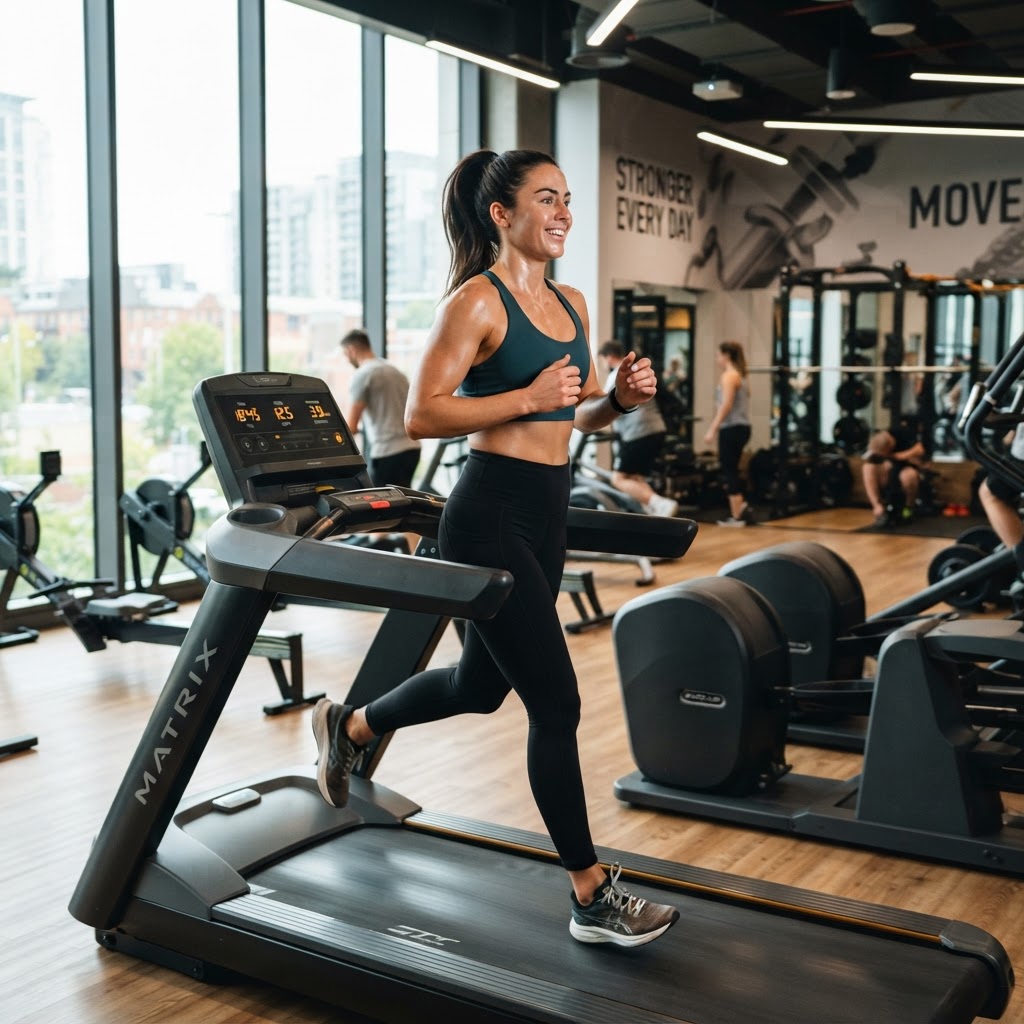
- Follow with Steady-State Cardio: Once your muscles have been challenged, transition to the cardio equipment. A moderate-intensity session—such as a brisk walk on the treadmill or a steady cycle—is sufficient to trigger the vascular benefits [1, 5].
- Consistency is Key: Research shows that the benefits of exercise on arterial stiffness are cumulative [7]. Whether you are here for a quick 30-minute session or a longer workout, the consistent application of this order can help keep your vessels healthy over the long term.
A Note on Individual Needs
While this sequence is a powerful tool, remember that your fitness journey is personal. If you are unsure how to structure your specific exercises or want to ensure your form is perfect while transitioning between stations, our 1-to-1 personal training services are designed to help you tailor these protocols to your specific body composition and goals.
At Clarence Park Health Suite, we believe that small, evidence-based adjustments to your routine can lead to significant improvements in how you feel. By simply swapping the order of your cardio and weights, you are doing more than just burning calories—you are actively investing in the long-term health of your internal delivery network.