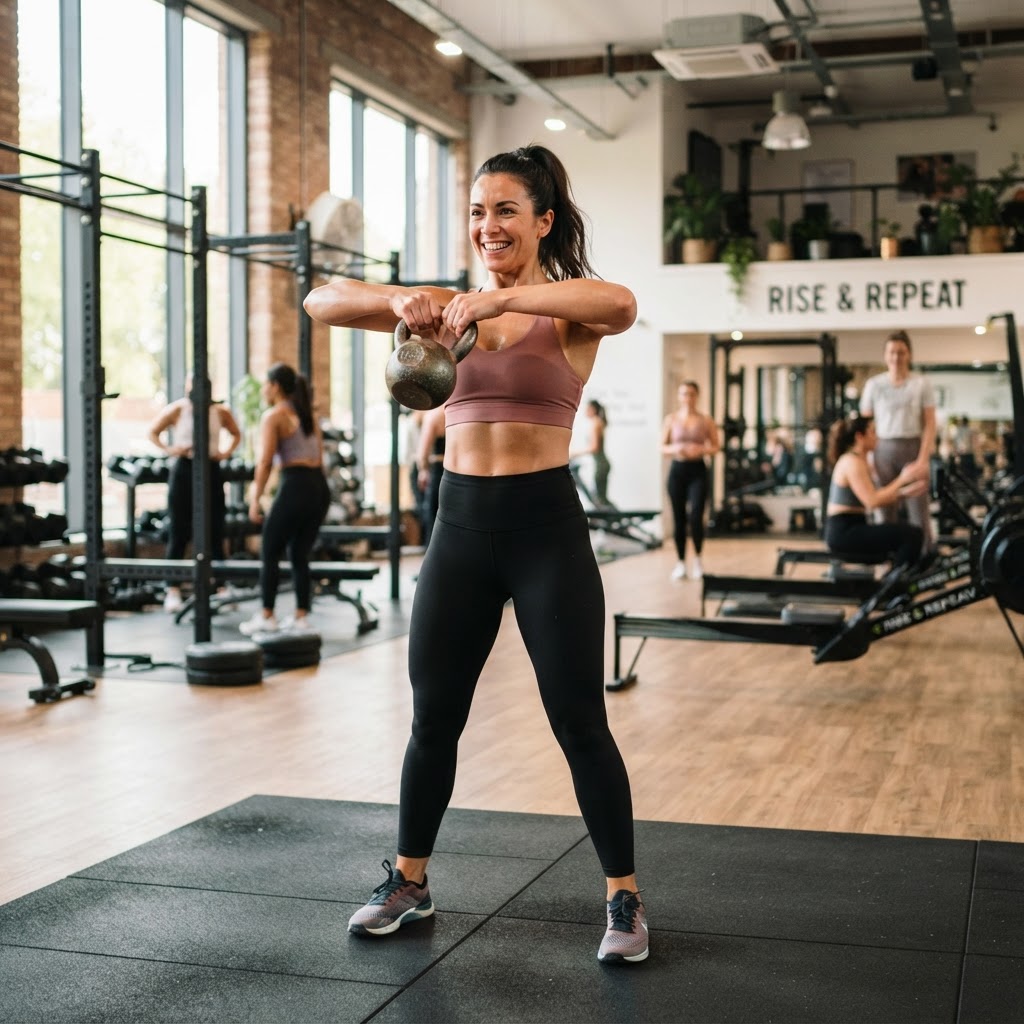
The Volume Threshold: Why Your Weekly Set Count is the Key to Midlife Body Composition
At Clarence Park Health Suite, we often hear from members who feel like they are putting in the work but not seeing the shifts in body composition they expect. If you are a woman navigating the changes of midlife, you might feel like your body is playing by a different set of rules than it did in your 20s. The good news? Science suggests that while your body is changing, it is also highly responsive—provided you adjust your training volume to match your current physiological needs.
The Science of the 'Volume Shift'
Recent research published in BMC Women's Health highlights a critical distinction for women aged 40–60 [2]. While resistance training is universally effective for building strength, the requirements for muscle hypertrophy (growth) and body composition changes can shift as we move through menopause.
Studies indicate that while pre-menopausal women often see significant hypertrophy with standard training protocols, post-menopausal women may require a higher training volume to achieve the same results [2]. Specifically, research suggests that aiming for more than 6–8 sets per muscle group per week is a vital target for those looking to improve body composition and preserve lean mass [2].
Why Volume Matters for Fat Loss
It is not just about muscle growth; it is about metabolic health. A 2023 study found that structured resistance training significantly reduced visceral adipose tissue—the metabolically active fat stored around your organs—in post-menopausal women who maintained a consistent schedule of at least two sessions per week [8].
When we talk about 'volume' at our gym, we aren't suggesting you spend hours on end lifting weights. Instead, we are talking about the total number of sets you perform for a specific muscle group over the course of your week. If you are currently doing 3 sets of squats once a week, you are at 3 sets. By simply increasing that to 4 sets twice a week, you hit 8 sets—crossing that threshold that research suggests is necessary for meaningful change [2].
Practical Steps for Your Gym Routine
If you are ready to apply this to your training, here is how to do it effectively in a 1-to-1 environment:
- Track Your Sets: Don't just count your gym visits; count your sets per muscle group. If you want to target your legs, ensure you are hitting at least 6–8 total sets across your sessions for the week.
- Prioritize Intensity: While volume is key, intensity remains the driver. Aim for a weight that feels challenging by the final two repetitions of every set.
- Consistency Over Complexity: You don't need a complicated routine. A simple, consistent plan that hits your major muscle groups twice a week is often the most effective way to ensure you meet your volume targets.
- Utilize Professional Guidance: If you aren't sure how to structure your sets to hit these targets without overtraining, our personal training services are designed to help you map out a weekly volume plan that fits your schedule and recovery capacity.
It’s Never Too Late
Recent meta-analyses confirm that resistance training is effective for women across the entire lifespan [7]. Whether you are 14 or 70, your muscles remain adaptable. By focusing on the right volume, you aren't just 'working out'—you are actively managing your metabolic health and building a stronger, more resilient body for the years ahead.
If you are ready to refine your approach, come see us at the front desk. Whether you prefer independent gym access or want to work with a coach to dial in your specific volume requirements, we are here to support your progress.